
Starting calisthenics is about using your body as the gym: simple, scalable movements that build strength, mobility, and confidence. Begin with a few focused exercises, practice consistent form, and gradually increase difficulty to see steady progress. This beginner calisthenics plan offers a deep dive if you want extra structure.
Why choose calisthenics?
Calisthenics needs little to no equipment, improves functional strength, and scales from absolute beginner level to advanced gymnastic-style moves. It’s ideal if you want flexible workouts that travel well and emphasize body control over heavy weights.
Warm-up and mobility
Start every session with a 5–10 minute warm-up: light cardio (jogging in place or jump rope), dynamic stretches (leg swings, arm circles), and shoulder mobility drills. A good warm-up reduces injury risk and primes your nervous system for better movement quality.
Core and stability basics
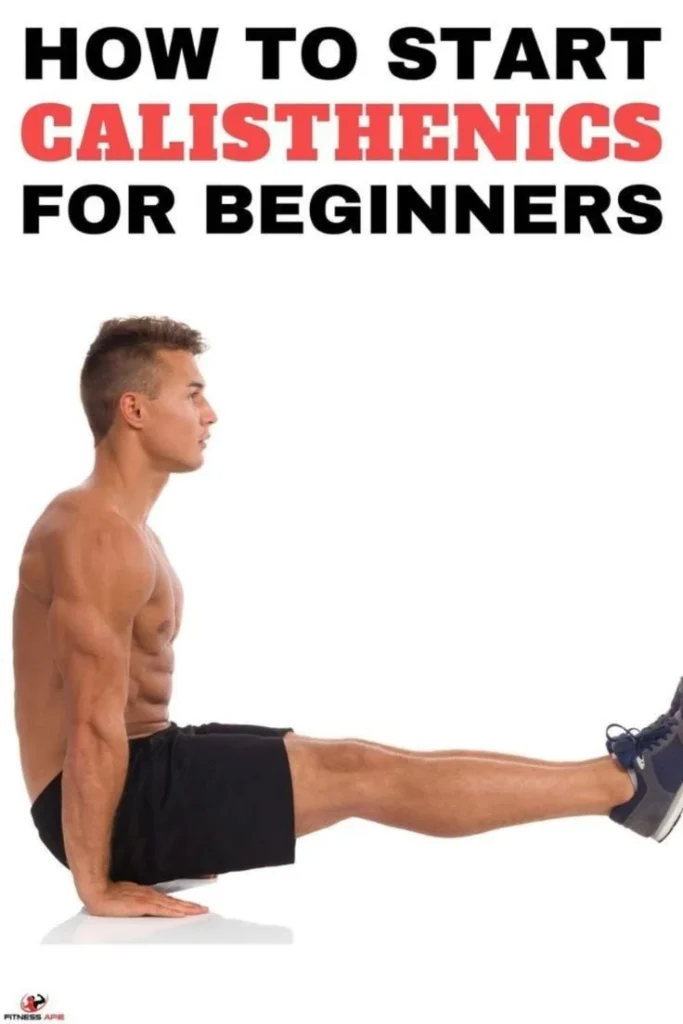
A strong core stabilizes every calisthenic move. Begin with planks, dead bugs, and hollow holds; progress to hanging knee raises and L-sit attempts as you gain strength. For targeted rotational strength and variety, consider incorporating a band twist core exercise into your routine once you’ve mastered basic stability.
Push, pull, and leg progressions
- Push: Start with incline push-ups or wall push-ups, then move to standard push-ups and eventually decline or archer push-ups.
- Pull: If you can access a bar, begin with Australian rows and negative pull-ups before attempting full pull-ups.
- Legs: Bodyweight squats, lunges, and step-ups build a strong lower base; add single-leg pistols when your balance and strength allow.
To target limb-specific growth and variety, check targeted resources like these arm-building tips that pair well with calisthenics routines.
Training split and progression
A simple beginner split could be:
- Day 1: Push + core
- Day 2: Pull + mobility
- Day 3: Legs + conditioning
- Day 4: Rest or light active recovery
Progress by increasing reps, improving form, reducing assistance, or changing leverage (e.g., elevating feet to make a push-up harder).
Cardio and recovery
Pair calisthenics with short cardio sessions (HIIT or steady-state) to improve endurance and body composition. If you enjoy outdoor cross-training, you can complement bodyweight workouts with trail runs; this trail running basics guide is helpful for mixing in safe, effective trailside cardio.
Tips to stay consistent
- Track small wins (extra reps, cleaner form).
- Prioritize technique over volume.
- Schedule sessions and treat them like appointments.
- Sleep and nutrition are part of progress—calisthenics responds quickly to steady recovery.
Conclusion
If you want an additional structured routine to reference, consider this helpful resource for a focused set of beginner movements: Gymshark’s guide to eight beginner calisthenics exercises.