Gut to Glands: Food That Balances Hormones
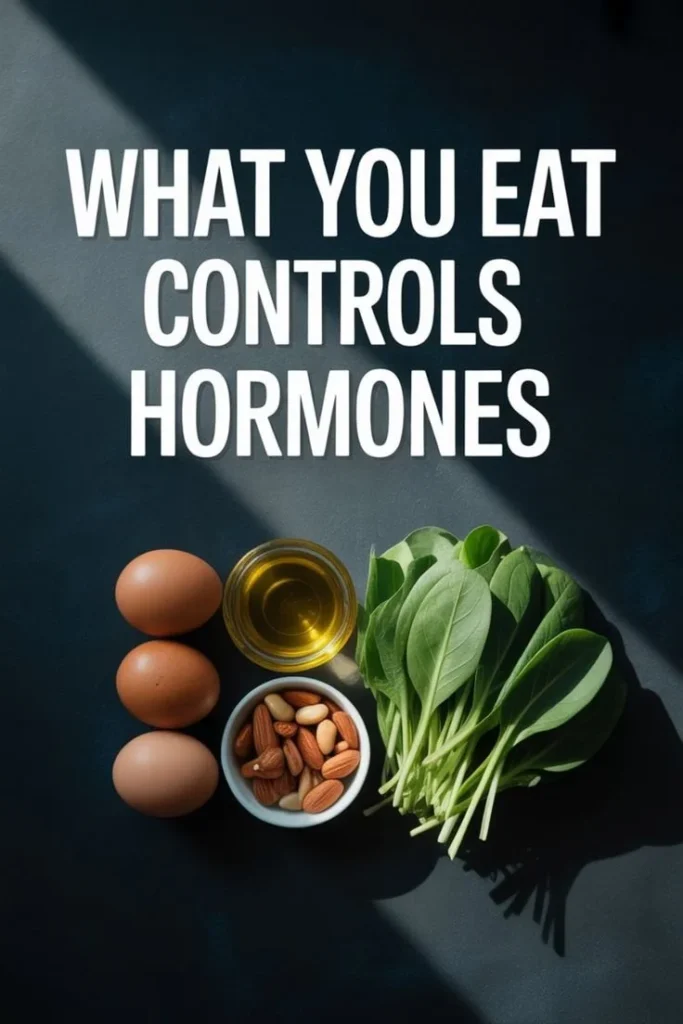
What you eat sends signals to every gland and receptor in your body — from insulin and cortisol to estrogen, testosterone, and thyroid hormones. Small, consistent dietary choices shape how your hormones are produced, cleared, and used. For practical meal ideas that support steady hormones and sustainable energy, see eating for better hormone health and energy.
How food talks to your hormones
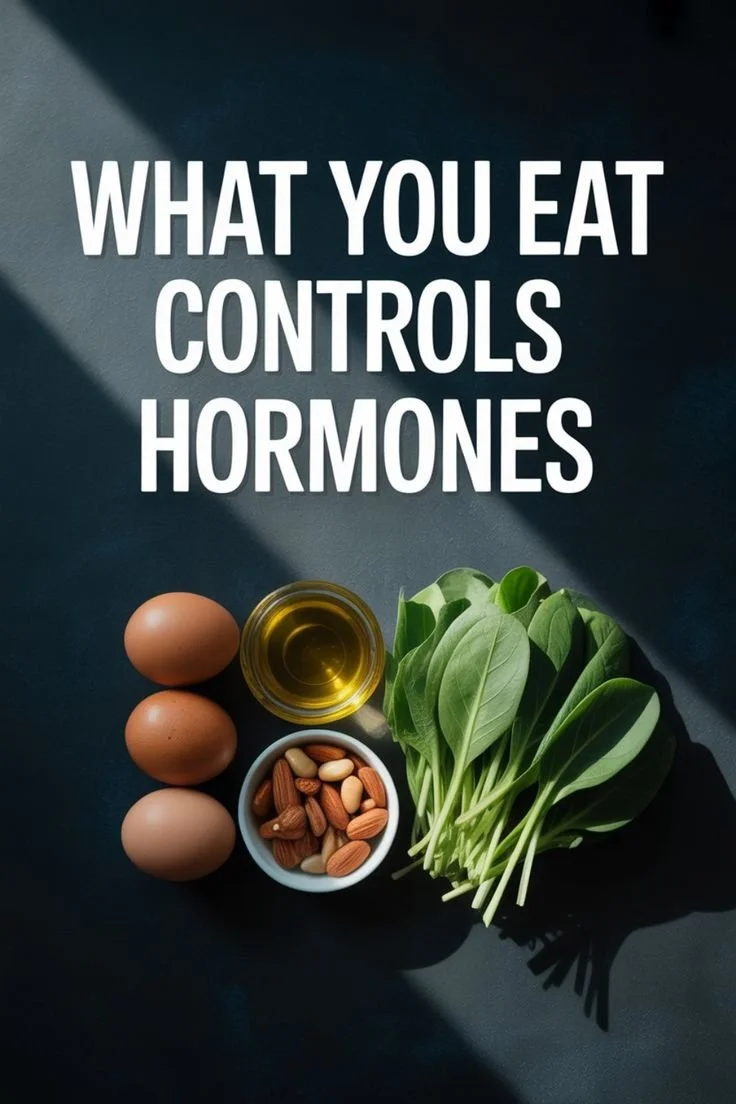
Hormones respond to nutrients, meal timing, and body composition. Carbohydrates and fiber influence insulin release. Protein and fat affect satiety signals and sex-hormone production. Processed sugar and alcohol can spike insulin and cortisol, while chronic calorie restriction may suppress thyroid and reproductive hormones. Understanding these pathways helps you choose foods that support balance rather than disrupt it.
Key foods to prioritize
- Protein at each meal: Lean meats, fish, legumes, and dairy stabilize blood sugar and provide amino acids needed for hormone synthesis and neurotransmitter production.
- Healthy fats: Monounsaturated and omega-3 fats (olive oil, avocados, fatty fish) support steroid hormone production and lower inflammation.
- Fiber-rich plants: Vegetables, fruits, whole grains, and legumes help clear excess hormones and promote a healthy gut microbiome.
- Micronutrient-dense choices: Zinc, magnesium, iodine, selenium, and vitamin D play direct roles in thyroid, insulin, and sex-hormone function.
Including strength training alongside nutrition accelerates hormonal resilience; if you’re looking to pair diet with a strength plan, consider the Built Not Bought challenge to stimulate muscle signals that improve insulin sensitivity.
Foods and habits to limit
- Refined sugars and ultra-processed foods: These promote insulin resistance and chronic inflammation.
- Excessive alcohol and caffeine: Both can disrupt sleep and elevate cortisol when overused.
- Highly restrictive diets: Long-term severe calorie cuts can reduce thyroid output and sex-hormone levels.
- Trans fats and hydrogenated oils: Linked to worsened inflammation and unfavorable lipid and hormonal profiles.
For relationships between body fat patterns and hormone imbalances — and strategies to address stubborn belly fat — see 8 things nobody tells you about belly fat.
Timing, portions, and blood-sugar control
Balancing blood sugar is one of the most direct ways to manage insulin and downstream hormones:
- Pair carbs with protein and fiber to slow absorption.
- Aim for regular meals or sensible time-restricted eating to match your lifestyle and sleep.
- Avoid large late-night meals if you struggle with overnight blood-sugar spikes or poor sleep quality.
Supplemental creatine can support muscle performance and recovery, which indirectly helps metabolic hormones and body composition; learn more in 10 things nobody tells you about creatine.
Gut, microbes, and hormone clearance
A healthy gut microbiome helps metabolize and eliminate hormones like estrogen. Fermented foods, prebiotic fibers, and a varied plant intake support beneficial bacteria. Addressing gut health reduces hormone recirculation and downstream symptoms such as PMS, acne, or estrogen dominance.
Simple, hormone-friendly meal plan (one day)
- Breakfast: Greek yogurt with berries, flaxseed, and a handful of walnuts.
- Lunch: Grilled salmon, mixed greens, quinoa, and olive oil vinaigrette.
- Snack: Apple with almond butter.
- Dinner: Stir-fried tofu or chicken with broccoli, bell peppers, and brown rice.
- Aim for balanced plate composition (protein + fat + fiber) each meal, hydrate, and prioritize sleep.
Practical habit checklist
- Eat whole-food meals most days; limit ultra-processed items.
- Include protein and healthy fats with each meal.
- Prioritize sleep and resistance exercise to enhance hormonal recovery.
- Track symptoms (energy, sleep, moods, cycles) and adjust foods slowly.
For an integrated approach that combines diet, training, and habit changes to boost energy and hormone health, consider reputable programs and coaches you trust and that emphasize consistency over perfection.
Conclusion
Diet has powerful, immediate, and long-term effects on hormone health; pairing whole-food choices with resistance training and sleep optimization gives the best chance at balance. For an accessible, research-backed overview of how food affects brain chemistry and hormones, read Harvard Health’s article on nutritional psychiatry.