
bigger biceps: A few focused curls each week won’t reliably build the kind of biceps most people want; you need targeted stimulus, smart progression, and recovery. This article breaks down the anatomy, mechanics, programming, and nutrition that make curls effective so you can stop guessing and start gaining. If you prefer training that balances arm development with whole-body progress, consider integrating curls into well-structured full routines like the 10 best full-body workouts for maximum results.
How biceps grow: anatomy and mechanics
The biceps brachii has two heads (long and short) and works primarily as an elbow flexor and forearm supinator. Effective curl prescriptions target tension across different angles and emphasize time under tension to stress the muscle fibers.
Understanding the science behind muscle hypertrophy clarifies why load, volume, and metabolic stress each play a role: mechanical tension stimulates fiber recruitment, volume drives total stimulus, and metabolic stress can amplify growth signaling.
Key variables to prioritize
- Progressive overload: Increase reps, weight, or quality of contractions over weeks. Small, consistent increases beat sporadic giant jumps.
- Volume & frequency: Aim for 8–20 total weekly sets for biceps, split across 2–3 sessions for better recovery and quality.
- Intensity: Work close to technical failure on a portion of sets — not every single set, but some — to recruit high-threshold motor units.
- Tempo and range: A 2–1–2 tempo (2s eccentric, 1s pause, 2s concentric) increases time under tension; full range of motion stimulates both heads effectively.
Best curl variations and when to use them
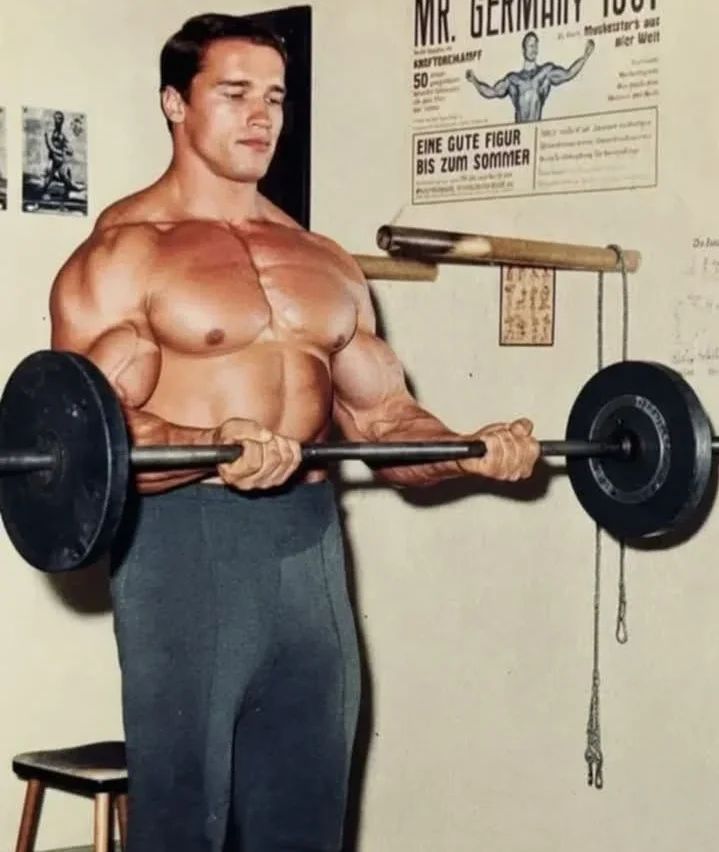
- Barbell curls: Great for loading heavy and building overall mass. Use for primary strength phases.
- Dumbbell curls (standing & seated): Allow slight rotation and correct left-right imbalances.
- Incline dumbbell curls: Emphasize the long head by stretching at the start.
- Preacher curls: Limit shoulder involvement and isolate the short head.
- Hammer curls: Target the brachialis and add thickness to the arm, improving the appearance of the biceps.
- Concentration curls: Excellent for strict, slow reps to maximize the mind-muscle connection.
Rotate a primary heavy variant (barbell/dumbbell) with an isolation movement each session to hit different growth pathways.
Technique cues that matter
- Keep the elbows relatively fixed; avoid turning curls into cheat-row reps.
- Use controlled eccentrics — letting the weight down slowly increases damage and signaling for growth.
- Supinate the wrist (turn palm up) on curls to maximize biceps engagement.
- Prioritize form over ego: if the load forces you to swing, reduce weight and focus on clean reps.
Programming examples (simple, practical)
- Beginner (2x/week): 3×8–12 barbell or dumbbell curls + 2×10–12 hammer curls.
- Intermediate (3x/week): Day A heavy 4×6–8, Day B volume 3×10–12 + supinated cable curls 3×12–15.
- Advanced: Vary intensities across the week (heavy, medium, high-rep metabolic day) and include drop sets or tempo variations.
Progress by adding 1–2 reps per set each week or adding small weight increments every 2–3 weeks. Track total weekly sets and aim for gradual increases rather than sudden spikes.
Nutrition, recovery, and small factors that move the needle
Muscle growth requires adequate calories and protein — roughly 0.7–1.0 g protein per pound of bodyweight depending on training status — plus good sleep and stress management. Food quality matters for recovery and micronutrients; consider learning more about how sourcing and choices impact health with resources about organic vs non-organic food choices if diet is a priority in your plan.
Rest the biceps 48–72 hours between high-intensity sessions and use active recovery (light mobility, blood-flow work) on off days.
Common mistakes to avoid
- Over-reliance on partial reps and momentum.
- Treating curls as an afterthought — volume and progression still matter.
- Ignoring elbow and shoulder health — poor joint mechanics kill continuity.
- Chasing novelty without measuring progress.
Conclusion
If you want measurable biceps growth, combine basic anatomy knowledge, consistent progressive overload, varied but structured curl selections, and sensible nutrition and recovery. For an anecdotal look at what happens when someone dramatically increases curl frequency, read a 30-day experiment on doing 100 daily curls to understand practical limits and adaptations.