
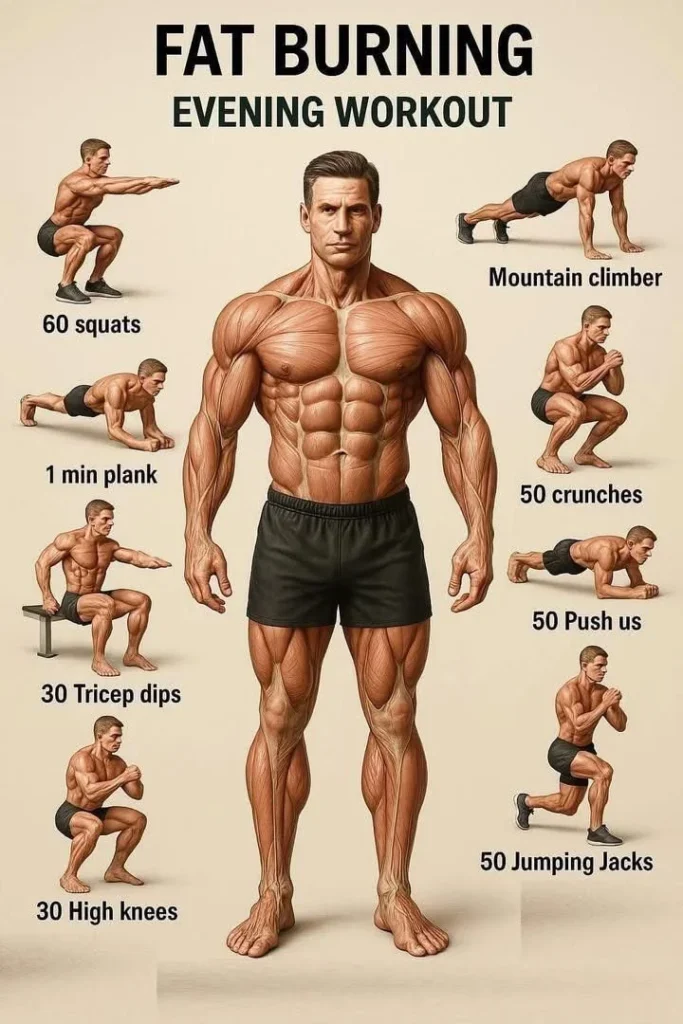
Optimal Fitness: Unlocking greater strength doesn’t require a dramatic lifestyle overhaul—just consistent, well-chosen movements, smart recovery, and steady progression. In this guide you’ll find essential workouts, programming tips, and recovery strategies to build functional strength and improve health for life. For a practical set of exercise routines to start with, consider exploring a curated list of full-body workouts for maximum results that can be adapted to any level.

Why Strength Matters
Strength underpins mobility, metabolic health, bone density, and everyday function. Building strength improves posture, reduces injury risk, and supports better performance in cardio and daily tasks. Whether you’re aiming to lift heavier or simply move with more ease, the right mix of compound lifts, accessory work, and recovery will get you there.
Foundational Movements to Prioritize
Focus on compound lifts that target multiple joints and large muscle groups. Core exercises include:
- Squat variations (back, front, goblet) for legs and core.
- Deadlifts (conventional, Romanian) to build posterior chain power.
- Presses (overhead and bench variations) for upper-body pushing strength.
- Pulling movements (rows, pull-ups) to balance the shoulder girdle.
For those with different body structures or metabolic tendencies, adaptions make a big difference—see tailored guidance on workouts for endomorph body types to align programming with your physiology.
Sample Weekly Template (Beginner to Intermediate)
- Day 1: Full-body strength (squat, press, row) — 3–5 sets of 5–8 reps
- Day 2: Active recovery or mobility work
- Day 3: Posterior chain focus (deadlift variants, hamstring work) — 3–5 sets of 4–6 reps
- Day 4: Core, conditioning, and light accessory work
- Day 5: Upper-body strength (press, pull-ups, accessory rows) — 3–5 sets of 6–10 reps
- Days 6–7: Rest and light activity
Pair your training structure with mindful nutrition choices—if you’re weighing food quality options, this primer on organic vs non-organic food choices can help you decide what fits your priorities and budget.
Progression, Recovery, and Consistency
Progression can be simple: add small weight increments, one more rep, or an extra set over weeks. Prioritize sleep, hydration, and mobility work to maintain long-term progress. Use active rest days and deload weeks every 6–12 weeks to prevent burnout.
Before training, short routines that boost readiness—dynamic warm-ups and light activation drills—are effective. For quick pre-workout energy tips that don’t rely on stimulants, try these natural pre-workout energy tips to feel more alert and ready to lift.
Putting It Together: Practical Tips
- Track simple metrics: load, reps, and how you feel each session.
- Prioritize technique over ego—good form multiplies results and reduces injury risk.
- Mix heavy strength days with lighter, higher-rep days for balanced development.
- Be patient: sustainable strength builds over months and years, not overnight.
Conclusion
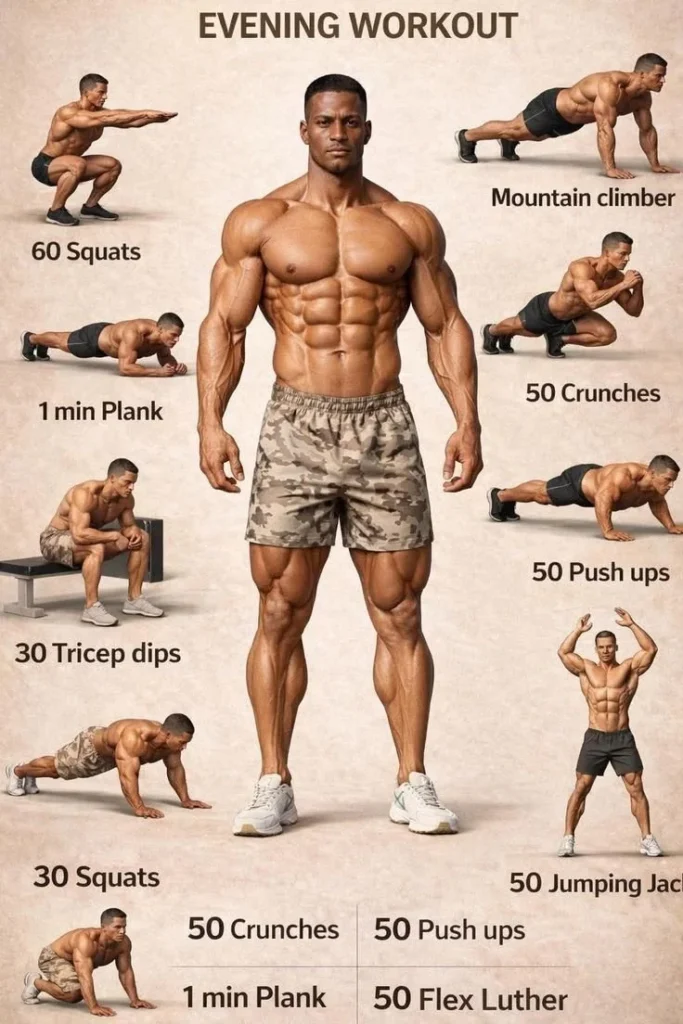
For a deeper dive into building strength safely at home and optimizing tendon and muscle health while training, the Ironmaster guide offers an excellent resource on creating an effective home-gym routine: Unlock Optimal Strength & Wellness: Master Home Gym Training for Strength and Tendon Health.