
Sunrise Testosterone Boost
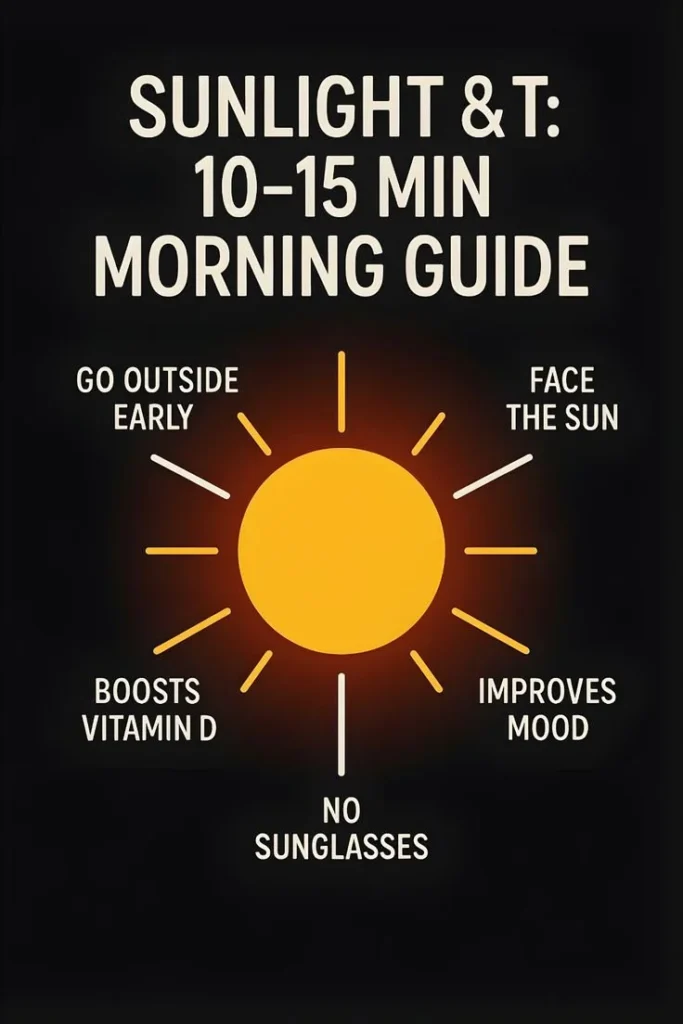
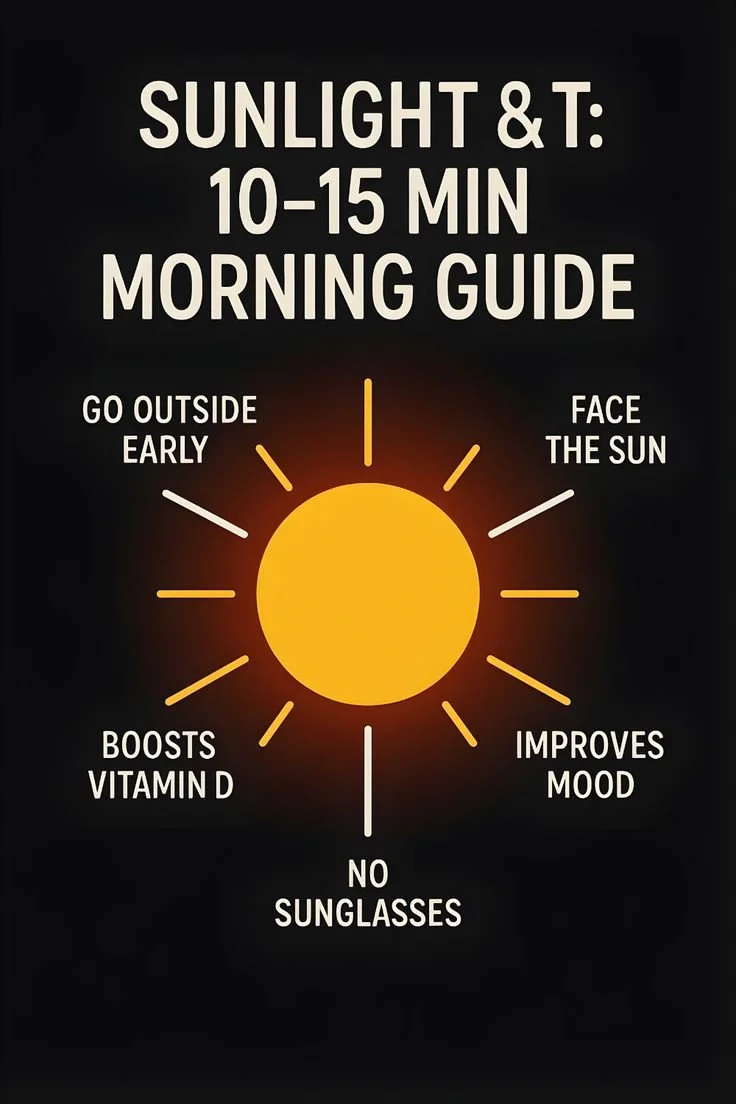
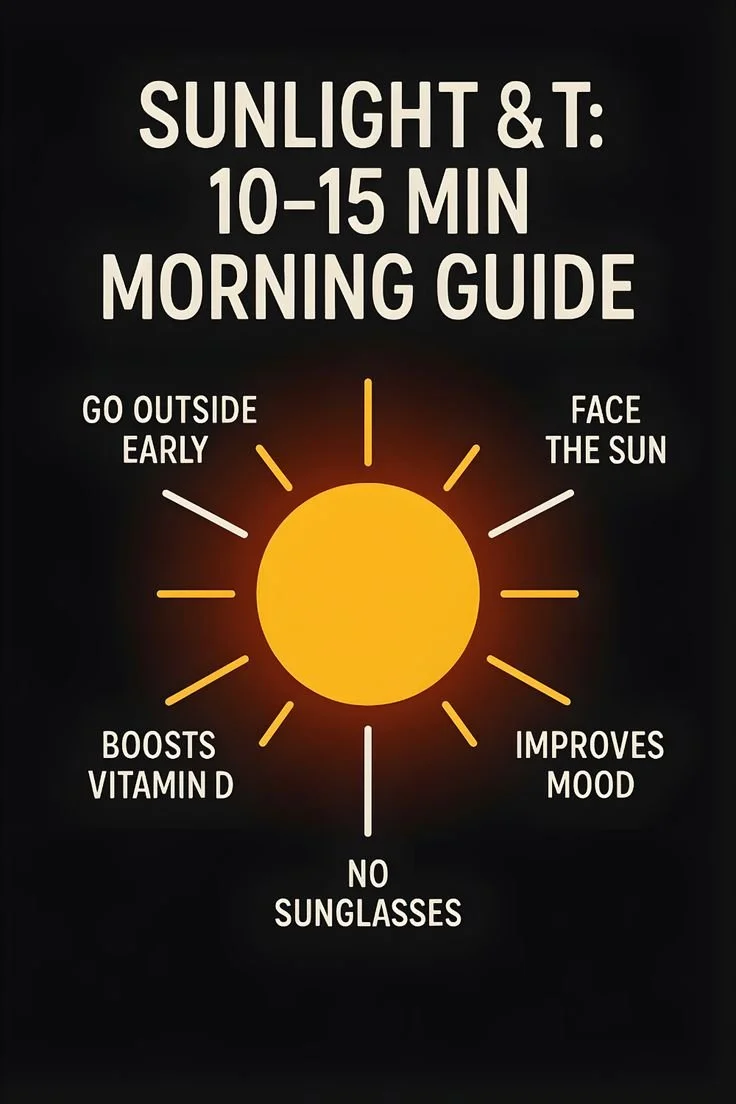
Morning sunlight does more than wake you up — it helps align your internal clock, supports vitamin D production, and creates a hormonal environment that favors healthy testosterone levels. Small, regular exposures to natural light in the first hour after waking can ripple through sleep, mood, and metabolism. Pairing sunlight with nutrient-rich morning choices can further support hormone balance, as suggested in 50 Healthy Snacks to Lose 30 Pounds.
How morning light affects hormone rhythms
Natural light is the primary cue for your circadian system. When you get bright light in the morning, the suprachiasmatic nucleus (your central clock) shifts signals that influence melatonin and cortisol timing. Properly timed cortisol helps wakefulness and can reduce late-night elevations that interfere with testosterone production. Over time, consistent morning light helps stabilize sleep patterns — one of the biggest lifestyle factors for maintaining healthy testosterone.
In addition to timing, sunlight triggers pathways that support vitamin D synthesis in the skin, which is linked to overall hormonal health.
Vitamin D, nutrition, and micronutrients
Vitamin D plays a role in hormone signaling and may influence testosterone directly and indirectly. A diet that supplies cofactors for hormone production — such as zinc, magnesium, and vitamin D-rich foods — complements regular sun exposure. Leafy greens and other micronutrient-dense foods are part of that picture; learn more about why nutrient-rich options like spinach matter in this overview of spinach as a superfood.
Movement, timing, and morning routines
Light plus activity compounds benefits. Gentle movement or brief resistance work in the morning can raise testosterone acutely and supports metabolic health over time. Establishing a predictable morning routine that combines light exposure and movement makes the effect repeatable — examples of structured morning movement plans can be found in the Beginner Calisthenics Morning Routine guide.
Protein, amino acids, and recovery
Testosterone is tied to muscle maintenance and recovery, and adequate protein intake helps provide the amino acids needed for repair and hormone-related functions. Ensuring morning and daily meals supply essential amino acids supports both training adaptations and baseline hormone balance — see this primer on what amino acids are and why they matter for practical context.
Conclusion
If you want a concise, science-informed look at how light impacts biology and hormone health, the newsletter piece Using Light for Health – Huberman Lab is a helpful resource.