Hydrate to Heighten: Testosterone-Friendly Tips
Healthy testosterone depends on many factors — sleep, resistance training, macronutrients — and one overlooked piece is simple: your hydration. Proper fluid balance supports blood volume, nutrient delivery, and hormone transport, all of which help maintain optimal testosterone production. For practical fueling strategies that pair well with hydration, review these actionable tips and learn how to make water work for your hormones. Explore a 24/7 body-fueling guide
Why Hydration Matters for Testosterone
Dehydration reduces blood volume and increases cortisol, a stress hormone that can suppress testosterone when chronically elevated. Staying hydrated helps maintain optimal circulation and the cellular environment the testes and endocrine system need to function. It also supports metabolic processes that synthesize hormones and clear metabolic byproducts.
Smart Hydration Habits
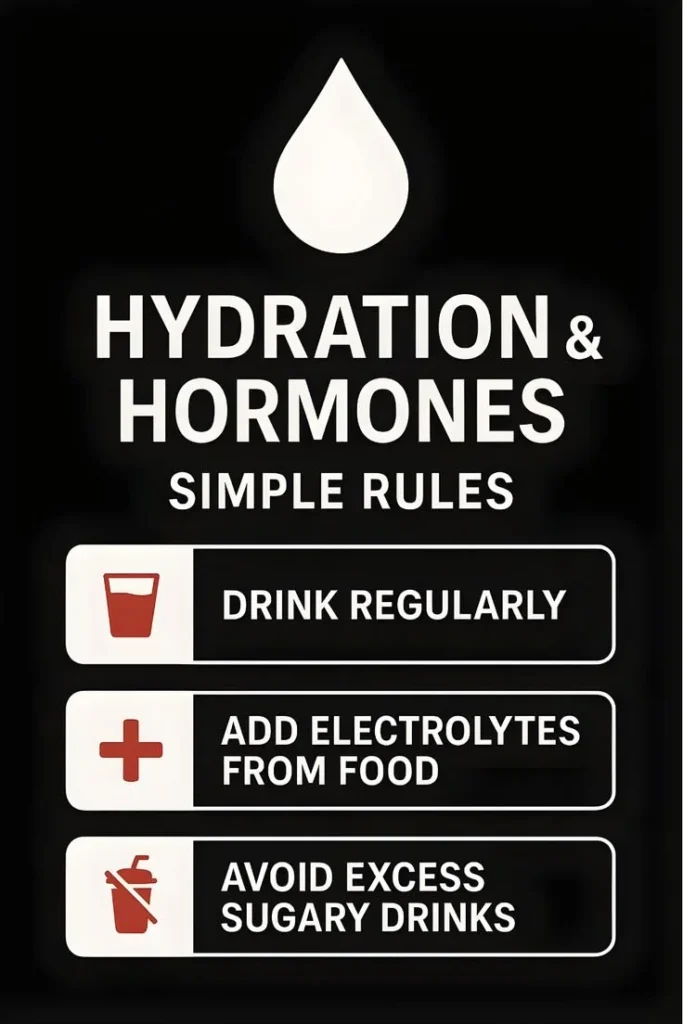
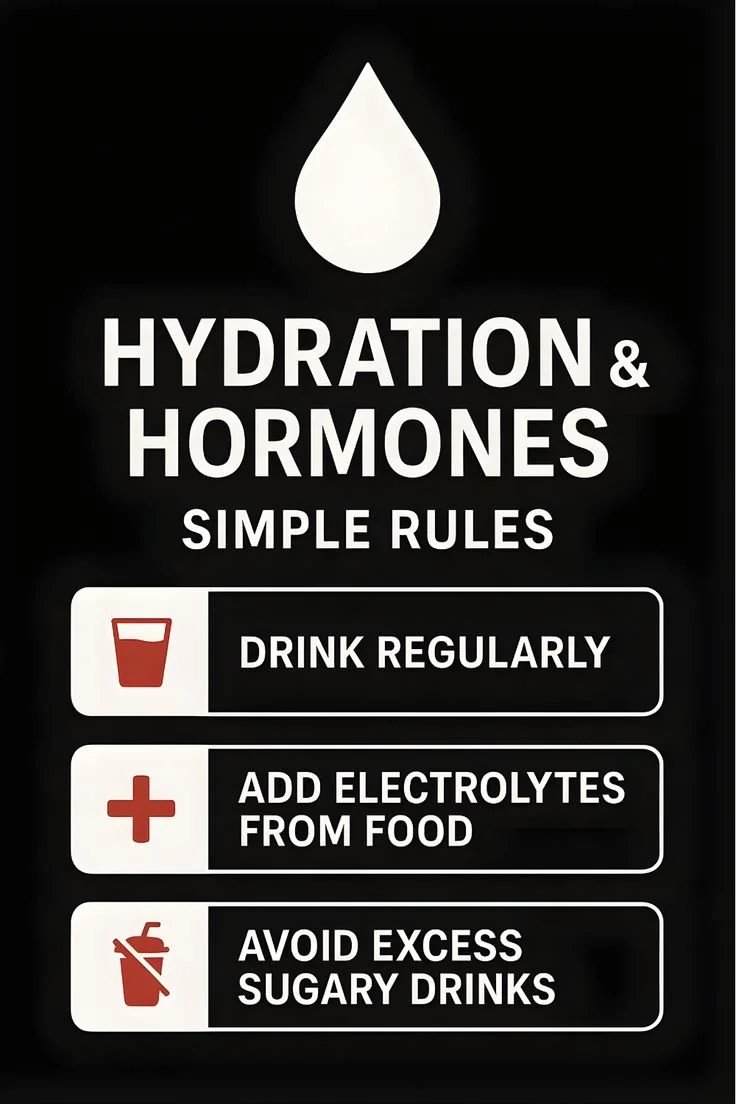
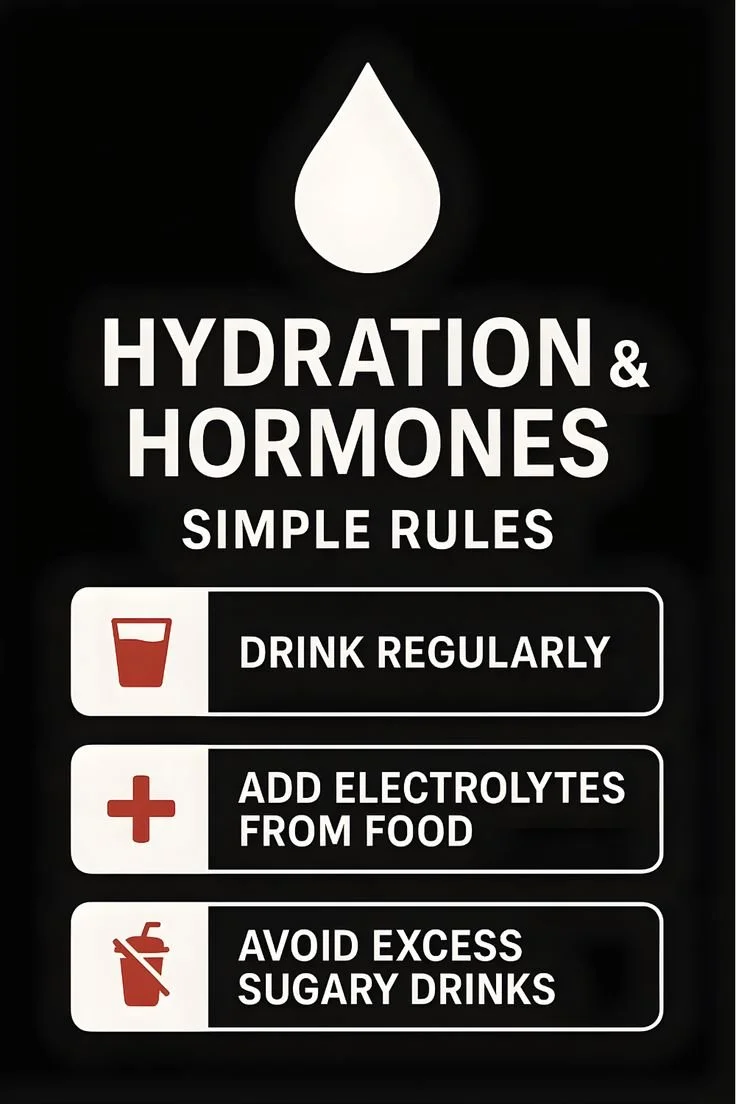
- Set a daily baseline: Aim for consistent intake across the day rather than gulping a lot at once. A simple starting point is 30–40 mL per kg body weight, adjusted for activity, heat, and individual needs.
- Time fluids around training: Drink water before, during, and after workouts to preserve performance and recovery. Pairing hydration with resistance sessions can improve circulation and the hormonal response to exercise — for tips on pairing training with vascular results, see these veiny arms training tips.
- Use electrolytes strategically: If you sweat heavily or do long sessions, include sodium, potassium, and magnesium to maintain cellular function and avoid dilution of minerals that support hormone synthesis.
Nutrition and Fluids
Hydration isn’t just water — fluids and foods combine. Fruits, vegetables, and broths contribute volume and electrolytes. Protein intake is also vital for testosterone; pairing lean protein with hydrating foods helps recovery and hormone balance. For snack ideas that support body composition and hormone-friendly nutrition, consult this healthy snack list to support weight and hormones.
Monitor, Adjust, and Avoid Pitfalls
- Watch urine color and energy: Pale straw color typically indicates good hydration; dark urine suggests you need more fluids.
- Beware overhydration: Consuming excessive plain water without electrolytes can dilute sodium and impair function. Listen to thirst signals and adjust for activity.
- Limit substances that disrupt balance: Alcohol and some medications can negatively affect hydration and hormone levels; reducing alcohol intake is often beneficial. Learn more about lifestyle factors that influence male hormones in this piece on habits that raise estrogen in men.
Conclusion
For personalized IV hydration and recovery options that can complement lifestyle changes to support hormonal health, consider visiting Elevate Hydration Wellness Clinic.