Stop the Weight-Loss Myths: Facts, Not Fiction
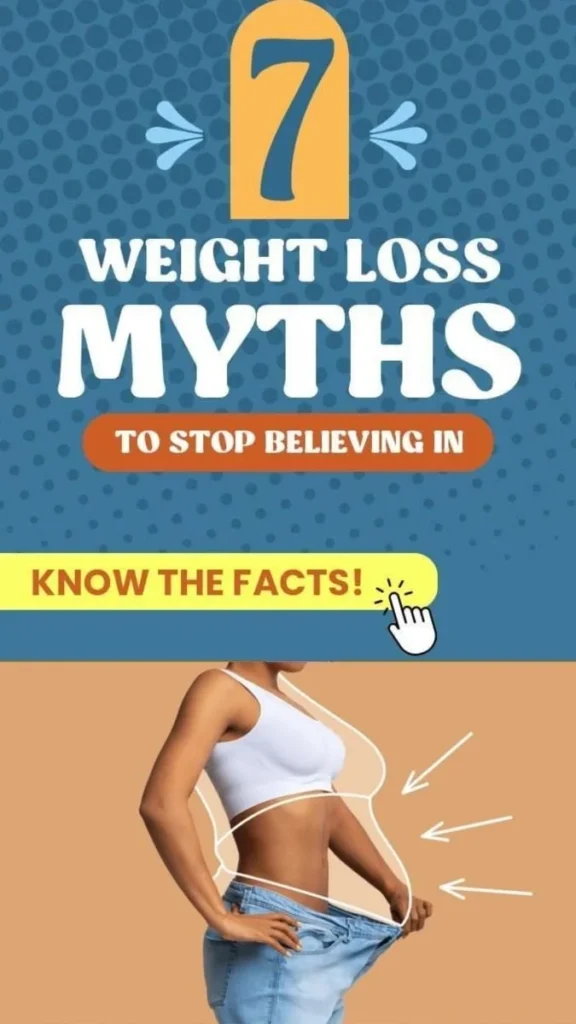
Weight loss is full of conflicting advice — some of it helpful, a lot of it misleading. In this article you’ll get clear, evidence-based explanations to stop falling for common myths and start making choices that actually support healthy, sustainable weight loss. For a real-life example of how consistent habits produce results, read about Kelly Clarkson’s weight-loss journey which highlights sustainable change over quick fixes.
Why myths stick
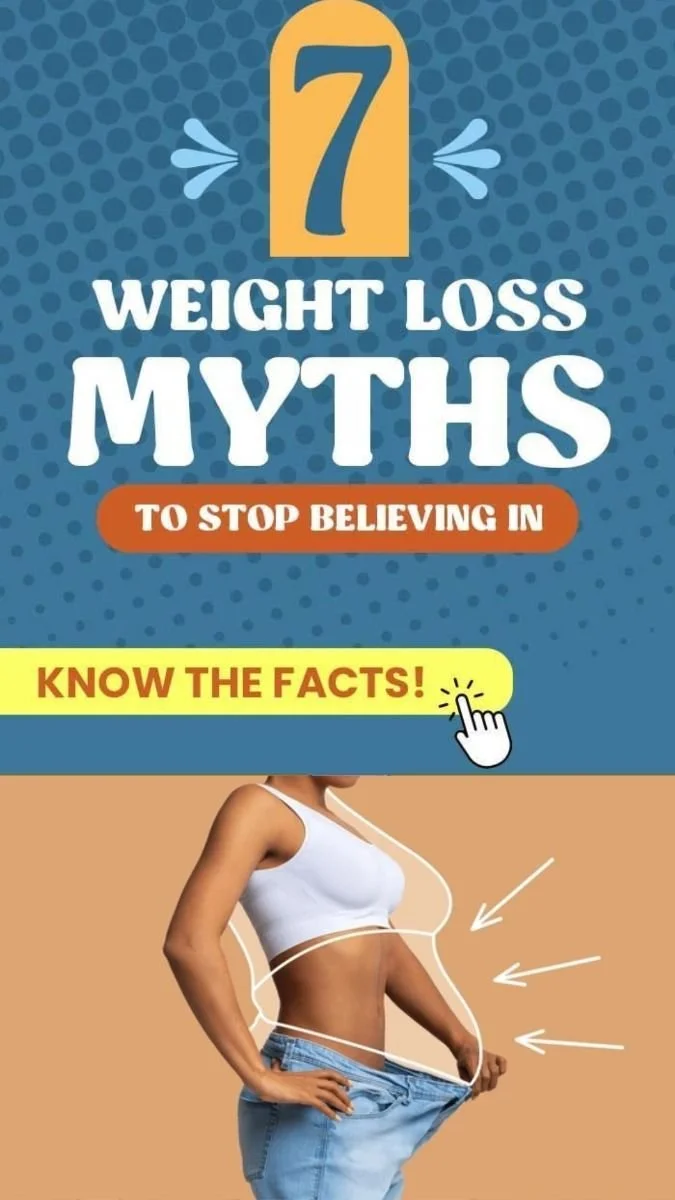
Many weight-loss myths persist because they promise fast results or simple rules. They spread easily on social media and through well-meaning friends. The truth is usually more nuanced: energy balance, food quality, stress, sleep, and physical activity all interact. Understanding the mechanics helps you spot claims that sound too good to be true.
Myth 1 — Carbs automatically make you gain weight
Carbohydrates are a source of energy, not an automatic fat-inducing nutrient. Overeating any calorie source leads to weight gain, while choosing whole grains, fruits, and vegetables supports satiety and nutrients. If you want straightforward workout options that fit a busy schedule, a quick routine like the 10-minute calisthenics workout can boost activity without complicated dieting rules.
Myth 2 — Skipping meals accelerates fat loss
Skipping meals often backfires: extreme hunger can lead to overeating later, slowed metabolism, and loss of lean mass. Regular, balanced meals help maintain energy and performance. For perspective on long-term change, check out this two-year transformation story that shows steady habits beat extreme dieting.
Myth 3 — Spot reduction will melt fat from problem areas
Targeting fat loss from a specific body part with exercises is a myth. Strength training can build muscle in targeted areas, improving shape and strength, but overall fat loss comes from creating a calorie deficit and improving body composition. If you’re chasing aesthetic goals like a defined midsection, beware of quick-fix claims and read up on common misunderstandings about abdominal training and appearance in this piece on six-pack myths you need to stop believing.
Myth 4 — Supplements and miracle products are the answer
No pill, potion, or patch replaces consistent nutrition and activity. Some supplements can support health when used appropriately, but most “miracle” weight-loss products lack robust evidence and can be costly or harmful. Focus on whole foods, protein for satiety and muscle preservation, fiber for fullness, and a sensible exercise plan.
Practical habits that work
- Prioritize a small calorie deficit you can maintain long-term rather than extreme restriction.
- Combine resistance training with cardiovascular activity to preserve muscle and improve fitness.
- Get adequate sleep and manage stress — both affect hunger hormones and decision-making.
- Track progress with metrics beyond weight alone: waist measurements, how clothes fit, strength improvements, and energy levels.
Conclusion
If you’re considering major interventions or want reliable guidance, consult trusted sources and healthcare professionals. For a reputable, in-depth look at misconceptions specifically around surgical options, see Banner’s guide to weight-loss surgery myths.