
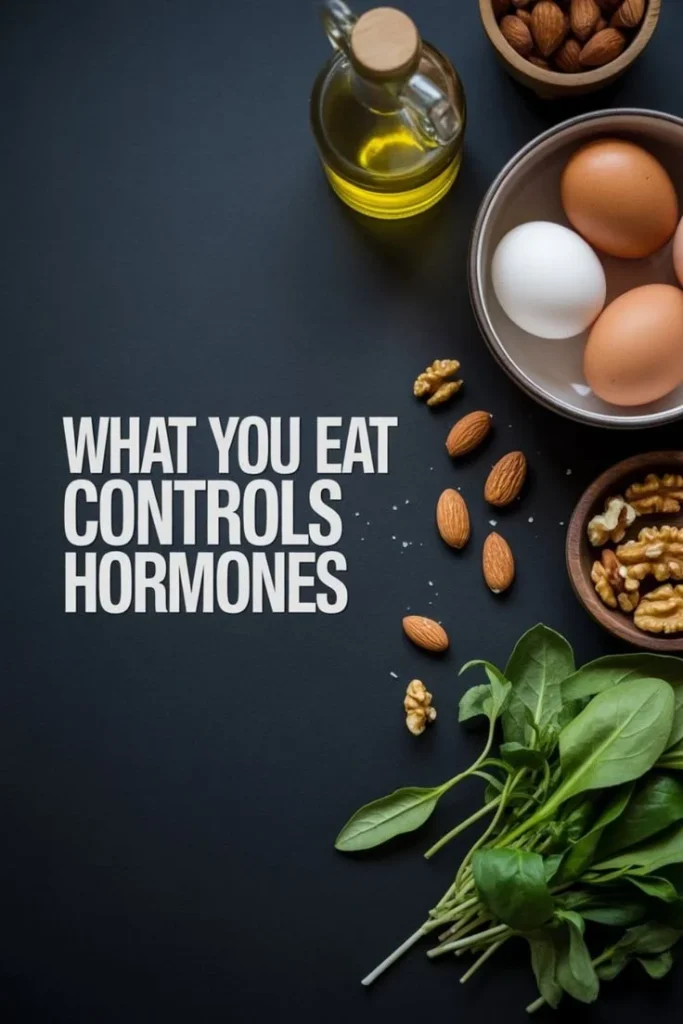
Balancing your diet to support hormones is one of the most effective ways to boost steady energy, stabilize mood, and improve sleep. Small, consistent changes, like prioritizing whole foods, timing meals, and focusing on key nutrients, can make a big difference in how you feel daily. For background on how food quality and sourcing impact nutrient density, see this piece on food sourcing and quality.
Why hormones and energy are connected
Hormones act like messengers that tell your body when to wake up, digest, store fat, burn glucose, and rest. Insulin, cortisol, thyroid hormones, estrogen, progesterone, and testosterone each play roles in energy production and use. When nutrition and lifestyle support these systems, you get steady energy; when they don’t, you get crashes, brain fog, and sleep problems.
Build a hormone-supporting plate: macros that matter
- Protein: Aim for a high-quality protein at each meal to support neurotransmitter production and stabilize blood sugar. Include fatty fish, poultry, legumes, or plant proteins.
- Healthy fats: Omega-3s (from fatty fish, chia, flax) and monounsaturated fats (avocado, olive oil) help hormone synthesis and cellular signaling.
- Fiber-rich carbs: Whole grains, starchy vegetables, fruits, and legumes provide steady glucose release and feed gut bacteria that influence estrogen metabolism.
- Balance is key: Combining protein + fat + fiber at meals helps blunt insulin spikes and maintain consistent energy.
Timing, portioning, and cycle-aware eating
Meal timing can influence cortisol and insulin rhythms. Regular meals spaced every 3–5 hours with a balanced macronutrient mix prevent long fasting that raises stress hormones. For women tracking menstrual-cycle-related energy shifts, adjusting calories and macros across phases can help maintain balance and mood. For practical pre-workout fueling strategies that preserve energy and support hormones, check this guide on natural pre-workout energy tips.
Micronutrients, herbs, and supplements to consider
Certain vitamins and minerals are commonly tied to hormone function:
- Vitamin D: supports immune and endocrine health.
- Magnesium: helps with sleep, stress response, and insulin sensitivity.
- B vitamins: essential for energy metabolism and neurotransmitter synthesis.
- Zinc and selenium: support thyroid and reproductive hormones.
Herbal helpers like adaptogens (ashwagandha, rhodiola) may help moderate stress-driven cortisol, but consult a provider before starting supplements.
Move to support metabolic and hormonal health
Regular physical activity improves insulin sensitivity, boosts mood-regulating hormones, and supports thyroid function. Both resistance and cardio exercise have benefits—strength training helps preserve lean mass, which supports resting metabolic rate. For structured routines, consider incorporating full-body sessions from reliable plans such as these full-body workout recommendations that maximize hormonal and metabolic benefits.
Quick strategies for busy days
When time is tight, prioritize balanced snacks and short movement bursts:
- Snack example: Greek yogurt with berries + chia (protein, carbs, omega-3 fiber).
- Meal example: Grain bowl with salmon, roasted veg, greens, and avocado.
- Mini-movements: 10–20 minutes of mixed cardio + strength can boost insulin sensitivity and energy—see this 20-minute full-body workout for ideas that fit a packed day.
Hydration, limiting excess caffeine later in the day, and avoiding late-night high-sugar snacks also support balanced hormones.
Lifestyle habits that reinforce dietary gains
- Sleep: Prioritize 7–9 hours; poor sleep dysregulates insulin and appetite hormones.
- Stress management: Daily relaxation or breathing practices reduce chronic cortisol elevation.
- Consistency: Small, regular habits (meal structure, sleep schedule, movement) compound over weeks to restore balance.
- Track and adjust: Keep a simple log of food, sleep, and energy to identify patterns and tweak intake accordingly.
Conclusion
Eating to support hormonal health is practical and approachable: focus on balanced meals, nutrient-dense whole foods, consistent timing, and movement that fits your life. For a focused guide on how to align foods and meal timing with menstrual phases and hormonal balance, read this helpful resource on cycle syncing and food choices for hormonal balance.