Recovering smarter is just as important as training harder. This 30-Day Muscle Recovery Reset gives a simple, sustainable plan to help you reduce soreness, rebuild strength, and come back to your workouts fresher than ever. For a gentle movement-focused routine you can pair with recovery days, see this practical morning plan for beginners: beginner calisthenics morning routine.

Why a 30-day reset works
Recovery is a process: consistent sleep, nutrition, and movement reap compounding benefits. Over 30 days you can re-establish healthier habits, reduce inflammation, and repair muscle fibers so your next training block is more productive.
Weekly structure (overview)
- Week 1 — Assess, deload, and prioritize sleep.
- Week 2 — Add light mobility and active recovery sessions.
- Week 3 — Focus on targeted soft-tissue work and progressive loading.
- Week 4 — Reintroduce higher-intensity work while maintaining recovery routines.
Daily recovery habits
- Sleep: Aim for 7–9 hours; keep a consistent bedtime.
- Hydration: Sip throughout the day; include electrolytes if you sweat heavily.
- Nutrition: Prioritize protein, anti-inflammatory foods, and whole carbs to replenish glycogen.
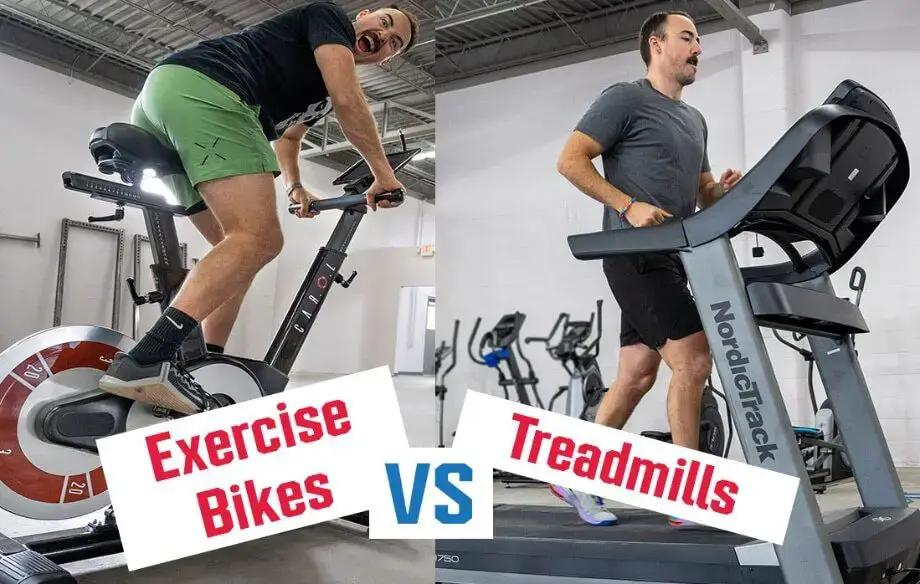
- Movement: Short walks, easy cycling, or mobility flows to increase circulation.
- Soft-tissue: 5–10 minutes of foam rolling or massage to release tight areas.
Sample 30-day micro-plan
- Days 1–3: Deload — reduce workout volume by 50%, focus on sleep and hydration.
- Days 4–10: Active recovery — 20–30 minutes of low-impact cardio 3x/week, daily mobility.
- Days 11–20: Progressive return — reintroduce strength sessions at 60–75% intensity, maintain mobility and extra protein.
- Days 21–27: Target weak points — add accessory work and longer mobility sessions.
- Days 28–30: Test and plan — do a performance check and set your next 4-week training block.
For common myths that sabotage core and recovery expectations, read more about six-pack misconceptions and how to set realistic goals: myths about achieving a six-pack.
Quick recovery tools and techniques
- Contrast baths (hot/cold) for localized inflammation.
- Compression and elevation after heavy sessions.
- Guided stretching or yoga for nervous system regulation.
- Short naps (20–30 minutes) on particularly heavy days.

Conclusion
Resetting recovery habits for 30 days can transform how your body responds to training; supplementing your routine with complementary cardio can accelerate fat loss and fitness gains—learn more about how swimming supports weight loss and conditioning in this helpful guide: how swimming can help you lose weight and get fit.