
Rub or Roll: Choosing the Best Recovery Tool
Massage and foam rolling are two of the most popular methods athletes and weekend warriors use to relieve soreness, improve mobility, and speed recovery. Which one is better depends on your goals, budget, and the specific issue you’re trying to fix — and if you’re just starting a program, a guided plan like this 30-day beginner calisthenics routine can help you build consistency while you experiment with recovery tools.
How they work
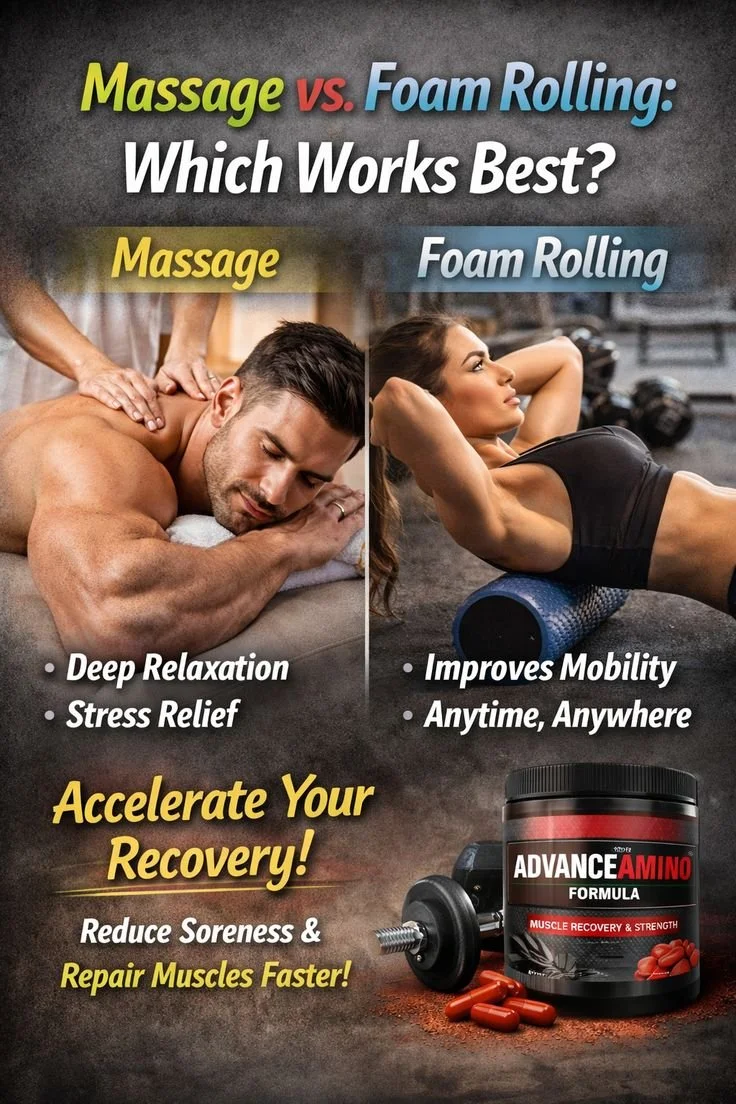
- Massage: Performed by a therapist or with handheld tools, massage manipulates soft tissue to reduce tension, break up adhesions, and promote relaxation. It can target deep layers with controlled pressure and skilled technique.
- Foam rolling (self-myofascial release): Uses body weight over a foam roller to apply pressure to muscles and fascial tissue. It’s affordable, portable, and lets you self-administer pressure where you need it.
Benefits and limits
- Pain relief and tension: Both can reduce perceived soreness and tightness. Massage often produces a stronger relaxation response due to therapist skill and the addition of techniques like kneading and stretching. Foam rolling gives good pressure-based relief, especially for large muscle groups.
- Mobility and range of motion: Foam rolling is effective for quick pre- and post-workout mobility work. Massage can achieve greater lasting changes in tissue quality and flexibility when done regularly.
- Targeting problem areas: A therapist can find and treat trigger points and structural imbalances better than a foam roller. For small, specific knots, handheld tools or a professional massage may be superior.
- Cost and convenience: Foam rollers win for daily use and affordability; massage is a greater time and financial investment but can be more thorough.
When to choose which
- Choose foam rolling when you need quick, regular self-care around workouts, want to improve immediate mobility, or are on a budget.
- Choose massage when you have persistent pain, complex trigger points, post-injury restrictions, or want a deeper, professionally guided intervention.
- Many people get the best results by combining both: foam roll for daily maintenance and book a massage for periodic, deeper work.
How to use them effectively
- Foam rolling tips: Move slowly, spend 20–60 seconds on tight areas, avoid rolling directly over bony joints, and control breathing to reduce guarding.
- Massage tips: Communicate pressure preferences, focus sessions on movement and function (not just relaxation), and pair massage with active mobility or strengthening afterward for best carryover.
- Safety: Avoid aggressive self-release over inflamed or injured tissue. If you have recent surgery, blood clot risk, or certain medical conditions, consult a healthcare provider before deep tissue work.
Core work and recovery
While massage and foam rolling address soft tissue, consistent core and movement training remains essential for long-term function. If misconceptions about core training are holding you back, take a look at common myths about six-pack you need to stop believing to keep your expectations realistic and your program balanced.
Practical routine (sample)
- Pre-workout: 5–10 minutes foam rolling for hips, quads, and thoracic spine; dynamic warm-up.
- Post-workout: Light foam rolling to calm tissue, short massage gadget work on sore spots.
- Weekly: 1 professional massage or a longer self-massage session with tools if you can’t see a therapist.
Conclusion
Both massage and foam rolling are valuable — foam rolling for regular self-maintenance and immediate mobility, massage for deeper, targeted treatment; combining them often gives the best results. For an in-depth look at popular handheld massage tools and how they compare, see this helpful comparison of massage sticks.