
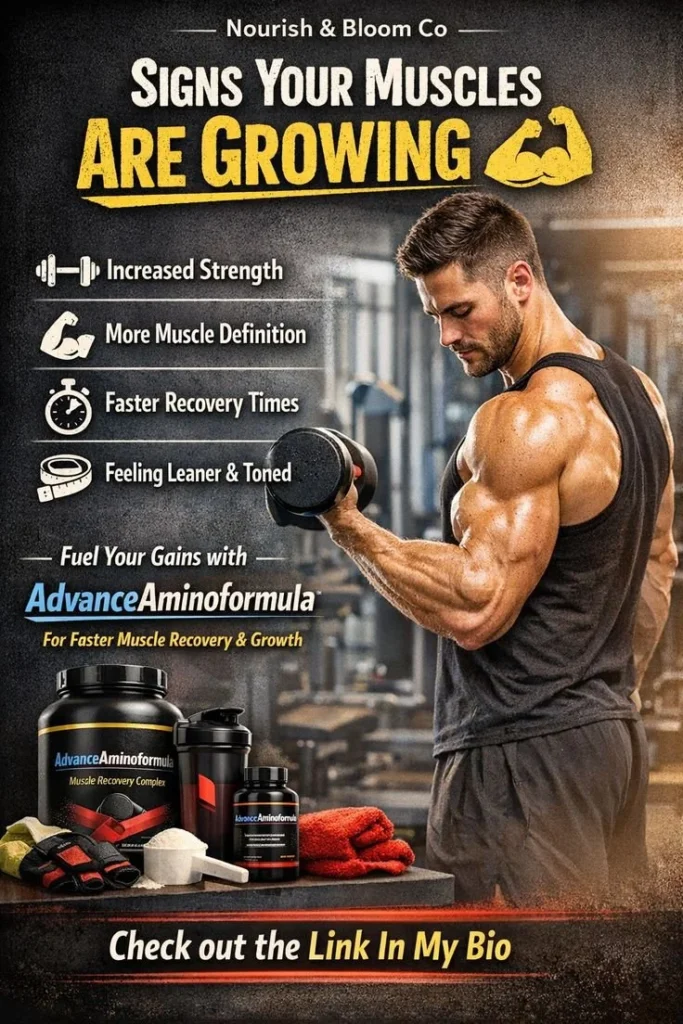
Visible Gains: Signs Your Muscles Are Growing
Understanding the subtle and obvious changes that show your muscles are actually getting bigger can keep you motivated and help you adjust training and nutrition wisely. If you’re new to structured training, pairing consistent workouts with the right routine will speed progress—many beginners find a planned approach like a 30-day calisthenics morning routine useful for establishing good habits.
Common signs to watch for
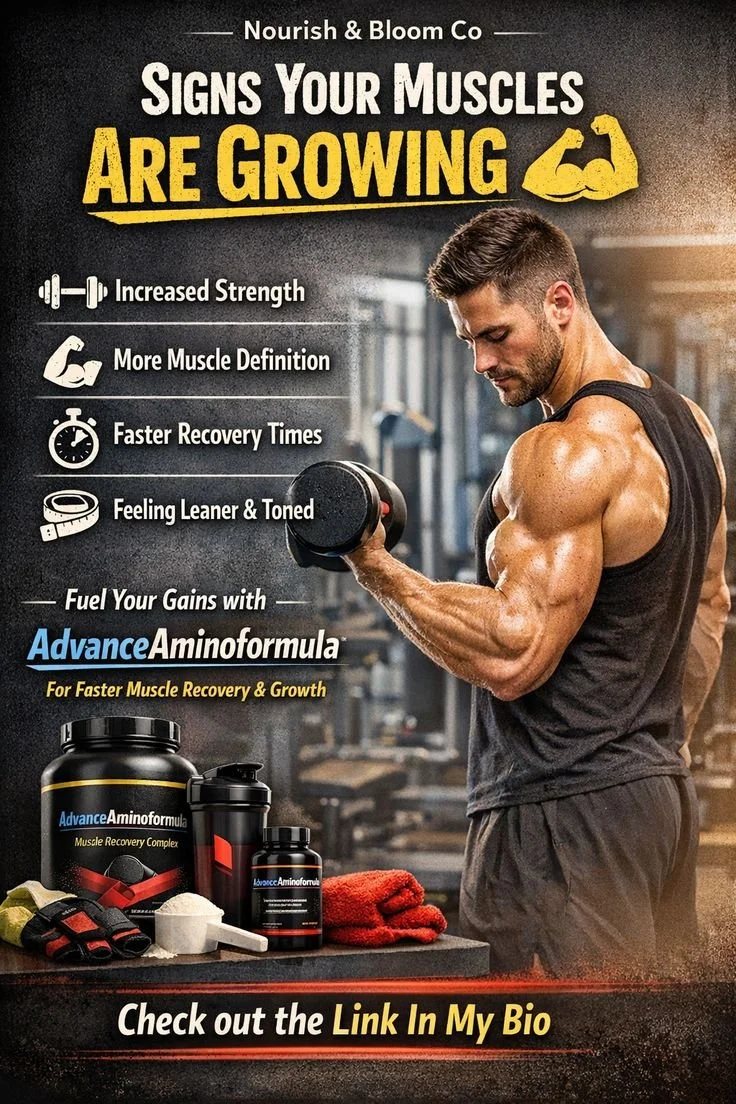
Strength increases: One of the clearest indicators of muscle growth is the ability to lift heavier weights or complete more reps with the same load. If your progressive overload is consistent, size usually follows strength gains.
Changing measurements: Regular tape measurements of key areas (arms, chest, thighs) will reveal incremental increases even when the scale doesn’t budge. Take measurements weekly under similar conditions.
Improved muscle shape and fullness: Muscles often look rounder and firmer, not just “pumped” after workouts. This fuller appearance reflects added contractile tissue and increased glycogen storage.
Clothes fit differently: Shirts that used to hang more loosely at the shoulders or sleeves that feel tighter can be a practical sign of upper-body growth.
Recovery pattern shifts: As you add muscle, soreness (DOMS) may become less severe for the same workout, or you may need slightly more recovery when you increase volume. Track how quickly you bounce back.
Performance endurance: Better ability to sustain higher-intensity sets or longer time-under-tension points toward both strength and hypertrophy gains.
Visual progress and photos: Weekly or biweekly progress photos under consistent lighting and posture often reveal changes that the mirror misses day-to-day.
Training and lifestyle factors that support growth
Nutrition: Adequate protein, a slight caloric surplus for many lifters, and sufficient micronutrients are essential for hypertrophy.
Progressive overload: Systematically increasing weight, reps, or density of training prompts muscle adaptation.
Sleep and recovery: Muscle-building happens between sessions—quality sleep and stress management are key.
Program variety: Periodically changing rep ranges, tempo, and exercises helps stimulate new growth. Beware common misconceptions about abs and aesthetics—learn which ideas to drop by reading about myths about six-pack development.
When to seek medical advice
If you experience unusual or rapid muscle weakness, twitching, or persistent fatigue that doesn’t align with training load, consult a healthcare professional. Neurological conditions can sometimes mimic or interfere with muscle performance.
Conclusion
If you notice persistent or unexplained muscle weakness rather than the expected gains, it’s wise to learn about potential medical causes—this overview from the National Institute of Neurological Disorders and Stroke provides authoritative information on conditions like myasthenia gravis: information on myasthenia gravis from NINDS.