
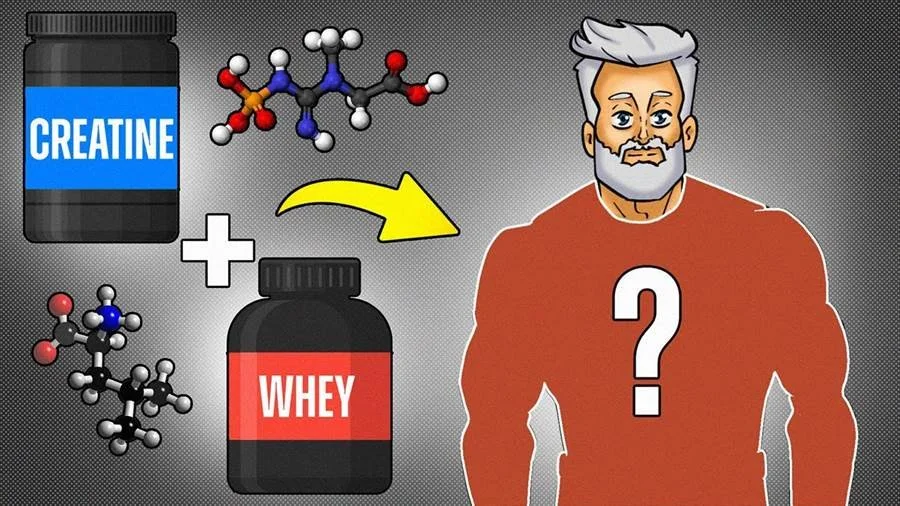
Creatine and protein powder are two of the most popular supplements in gyms and kitchens worldwide. Athletes and hobby lifters often stack them, believing the combination speeds muscle growth and boosts strength more than either alone. But what does the research actually say; and how should you take them for best results? For simple ideas to boost daily protein that pair well with supplement timing, see this guide on increasing protein intake.
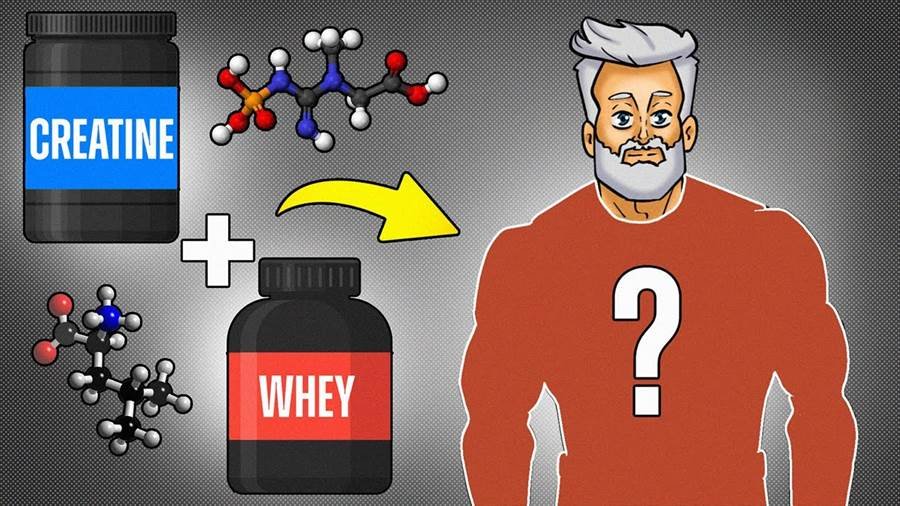
How creatine and protein work (quick primer)
- Creatine supplies phosphate groups that help regenerate ATP, the immediate energy source for short, intense efforts (like heavy lifts and sprints). That improves strength, power, and the ability to perform more quality reps.
- Protein — or more precisely, the amino acids in protein — provides the building blocks (especially leucine) that trigger muscle protein synthesis (MPS) and support recovery and growth when combined with resistance training.
Taken together, the two support different but complementary elements of adaptation: creatine helps you train harder and more often; protein helps your muscles repair and grow from that training.
What the science says about combining them
- Performance and hypertrophy: Multiple randomized trials show that creatine improves strength and lean mass when combined with resistance training. Adding adequate protein to a training program also increases muscle gain. Several studies comparing creatine + protein vs. protein alone report greater gains in strength and lean mass with the combined approach — but the effect size varies and depends on training status, total calories, and baseline creatine stores.
- Timing: Early theories proposed creatine absorption might be enhanced by the insulin response to carbohydrates or protein. Some small studies showed slightly greater creatine uptake when taken with a carbohydrate-or-carb+protein drink, but later work suggests the practical benefits are modest for most people. The most important factors are consistent daily creatine intake (3–5 g/day) and enough dietary protein spread across the day.
- Loading vs maintenance: A common protocol is a short loading phase (20 g/day split for 5–7 days) then maintenance (3–5 g/day). Loading can saturate muscle stores faster, but long-term maintenance without loading also works. Combining either approach with adequate daily protein still produces benefits.
Practical timing and dosing recommendations
- Creatine: 3–5 g/day is effective for most adults. If you choose to load, follow with maintenance dosing. Take it consistently; timing (pre vs post) has minor effects compared with daily adherence.
- Protein: Aim for roughly 1.6–2.2 g/kg/day for those focused on muscle growth, with 20–40 g of high-quality protein per meal, including a dose near your training session.
- Stacking: Mixing creatine into your post-workout protein shake is convenient and supported by evidence of safety and effectiveness. The act of consuming protein (and an accompanying carb) may slightly aid creatine uptake, but the real advantage is convenience and adherence.
Safety and myths
- Kidney health: In healthy individuals, standard creatine doses (3–5 g/day) show no harmful effects on kidney function in clinical studies. Individuals with preexisting kidney disease should consult a doctor before starting creatine.
- Digestive upset: Some people experience bloating or GI discomfort with creatine loading or high single doses; spacing doses or skipping loading can reduce symptoms.
- Contamination and quality: Supplements vary in purity. Choosing reputable brands that third-party test for contaminants and heavy metals is wise. For ideas on protein-based recipes and how to use protein powder safely in meals, try this protein powder pancakes recipe.
Mixing, taste, and convenience
- Creatine monohydrate is flavorless and mixes well into shakes, coffee, or water. Adding it to a protein shake doesn’t significantly change taste and makes daily dosing simpler.
- If you prefer to take capsules, that’s fine too; just ensure you take a consistent amount.
- Combining with carbs (fruit, juice) post-workout can make a shake more enjoyable and may slightly increase insulin-mediated creatine uptake, although the effect isn’t essential for most users.
Who benefits most from combining them?
- Beginners and intermediate lifters: Likely to see clear additive benefits because gains are substantial when starting a consistent program.
- Experienced lifters: Still benefit, but gains are more modest and depend on training specificity, nutrition, and recovery.
- Athletes in power and sprint sports: Creatine helps repeated high-intensity efforts; adequate protein supports recovery between sessions.
Quick stacking routine example
- Pre-workout: Small meal with carb + protein (1–2 hours out).
- Post-workout shake: 20–30 g whey protein + 3–5 g creatine mixed with water or milk.
- Daily habit: If you miss post-workout, take creatine with any other beverage — consistency matters most.
When to consult a pro
- Preexisting medical conditions (especially kidney disease) or medications: ask your physician.
- If you’re unsure about dosing, nutrition timing, or product quality, a registered dietitian or sports nutritionist can personalize recommendations.
Conclusion
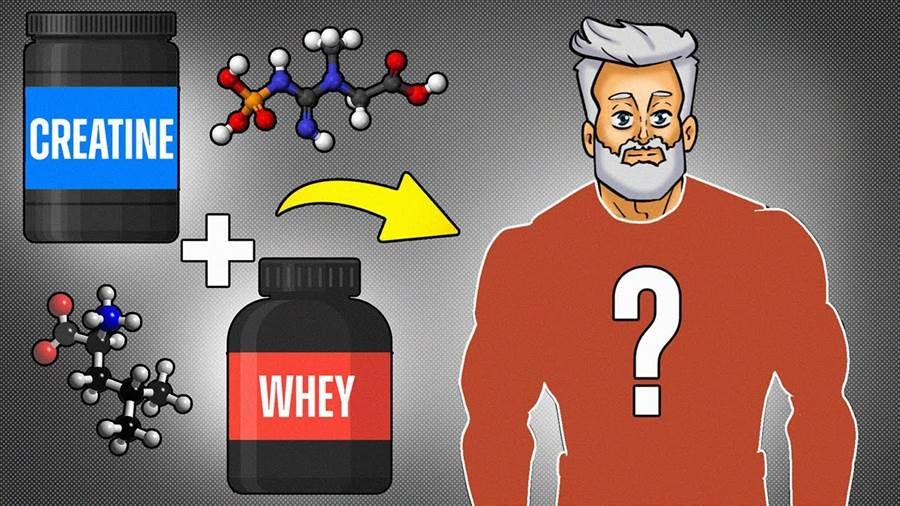
Stacking creatine with protein powder is a convenient, well-supported strategy to enhance strength and lean mass when combined with resistance training — but product quality matters. For information on heavy metal contamination and safety concerns in some protein powders, see this Consumer Reports piece on High Levels of Lead in Protein Powder and Shakes (https://www.consumerreports.org/lead/protein-powders-and-shakes-contain-high-levels-of-lead-a4206364640/).