
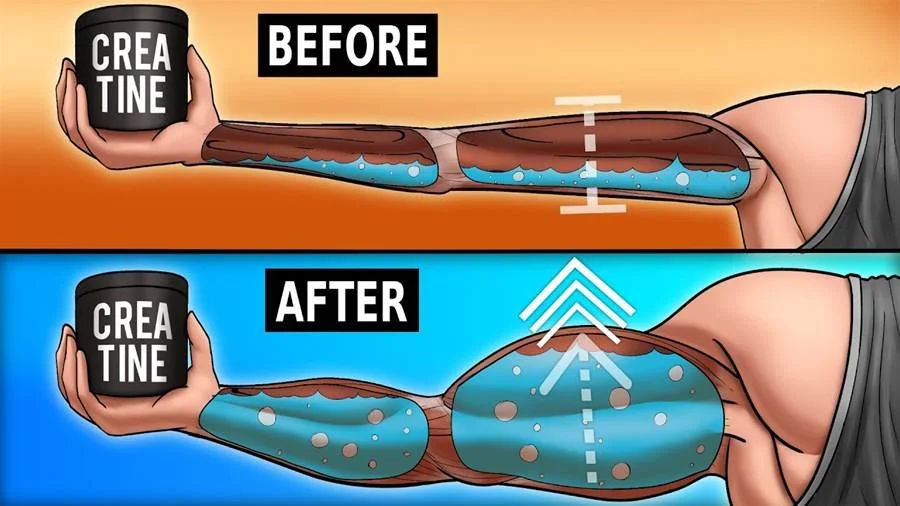
Creatine is one of the most researched supplements in sports and health, yet many nuances about how it works and who benefits remain under-discussed. Whether you’re a lifter, an athlete, or someone curious about cognitive perks, these ten lesser-known facts will help you use it more smartly and safely. For practical ways to support muscle-building alongside supplementation, consider these helpful tips on increasing your protein intake; small changes can amplify creatine’s benefits.
Creatine helps more than just strength
- While it’s famed for boosting strength and power, it also supports short-term high-intensity performance, recovery, and may improve brain energy metabolism during demanding mental tasks.
Your response varies — “responders” vs “non-responders”
- Genetics, baseline muscle creatine content, muscle fiber type, and diet (especially meat intake) influence how much benefit you see. Vegetarians often see bigger gains because their starting creatine stores are lower.
Loading isn’t required, but it accelerates results
- A typical loading phase (20 g/day split into 4 doses for 5–7 days) saturates muscles faster. Skipping loading and taking 3–5 g/day still works, it just takes 3–4 weeks to reach the same muscle saturation.
Timing is flexible
- The window for taking it is broad. Consistency matters more than precise timing, though some data suggest taking it around workouts (pre- or post-) can slightly improve gains when paired with protein and carbs.
Hydration myths — it doesn’t dehydrate you
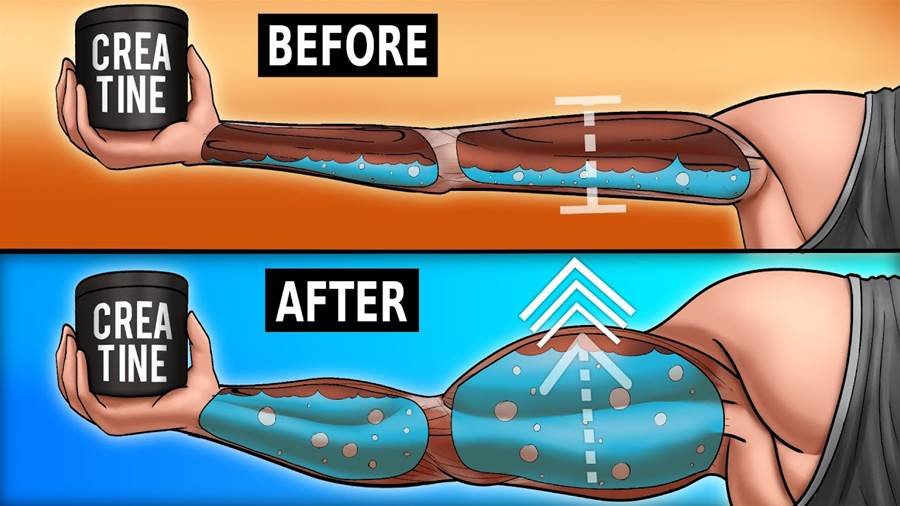
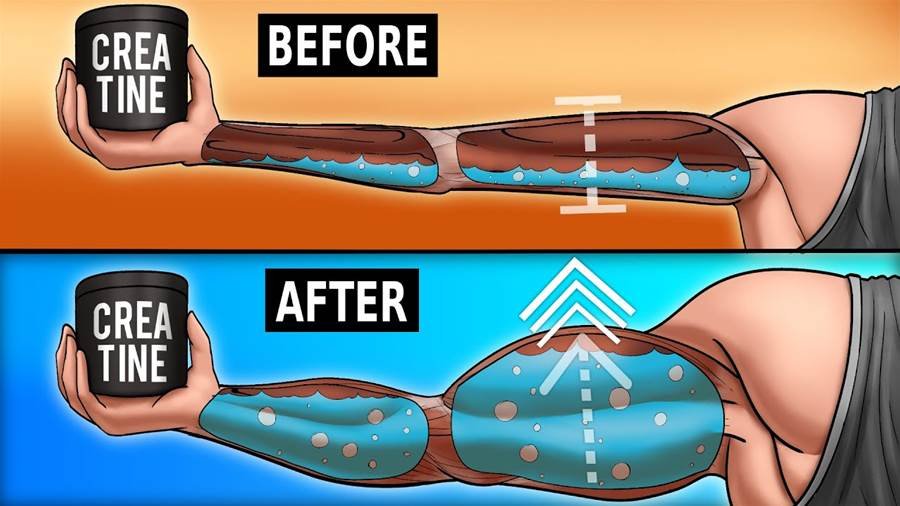
- Creatine pulls water into muscle cells, which is often misconstrued as systemic dehydration. Adequate daily fluids are important, but it does not inherently increase dehydration risk in healthy people.
It can support body composition beyond muscle mass
- By improving training quality and recovery, creatine indirectly helps reduce body fat over time. Pairing creatine with habits that promote fat loss — such as the right nightly routine — can amplify results; for ideas on passive fat-loss habits, see how to burn fat while you sleep.
Cognitive and neurological promise
- Preliminary studies suggest creatine may help with mental fatigue, memory under stress, and recovery in certain neurological conditions. The evidence is promising but still emerging for broad clinical claims.
It’s safe for most people when used correctly
- Long-term studies (years) in healthy adults show creatine is well-tolerated. Common minor side effects include stomach upset if taken in very high single doses. People with kidney disease or on certain medications should consult a clinician first.
Quality matters — but most monohydrate is the same
- Creatine monohydrate has the strongest evidence base and is inexpensive. Micronized versions may mix more easily, but efficacy is comparable. Avoid proprietary blends that add unproven ingredients.
Cycling isn’t necessary, but some prefer it
- There’s no scientific requirement to cycle creatine. Continuous daily use at maintenance doses (3–5 g/day) is common and supported by research. Some choose periodic breaks based on personal preference.
Practical tips to get the most from creatine
- Take a consistent daily dose (3–5 g) once loading is complete, with a meal or around your workout.
- Combine with adequate protein and carbs to support muscle repair and growth.
- Maintain regular hydration and monitor any unusual symptoms, especially if you have pre-existing health conditions.
- Choose a reputable brand with third-party testing to ensure purity.
Conclusion
Creatine is a versatile, well-researched supplement that offers more than just strength — from cognitive support to better training quality. If you want further conversations about smart supplementation and training approaches, check out this episode on Scale with Tom Ashcroft | Podcast on Spotify.