Workouts That Quiet Your Testosterone
Many popular workouts are great for burning calories and improving endurance, but when done excessively or without proper recovery they can suppress testosterone levels and blunt gains. If you love training but want to protect your hormones, here’s a practical look at five common exercise styles that can lower testosterone when overdone — and what to do instead. For people who focus narrowly on specific muscle groups, pairing smarter recovery with targeted work (for example, balanced glute routines) helps preserve hormone health: glute-strength routines to try.
- Long, steady-state endurance running (marathon-style)
- Why it can lower testosterone: Chronic long-distance running increases cortisol and can push the body into an energy-deficit, both of which suppress testosterone production.
- Signs it’s happening: Persistent fatigue, loss of libido, poor recovery, or plateaued strength.
- What to do instead: Replace some long runs with shorter, higher-intensity intervals or limit long runs to a few times per week and prioritize calories and sleep.
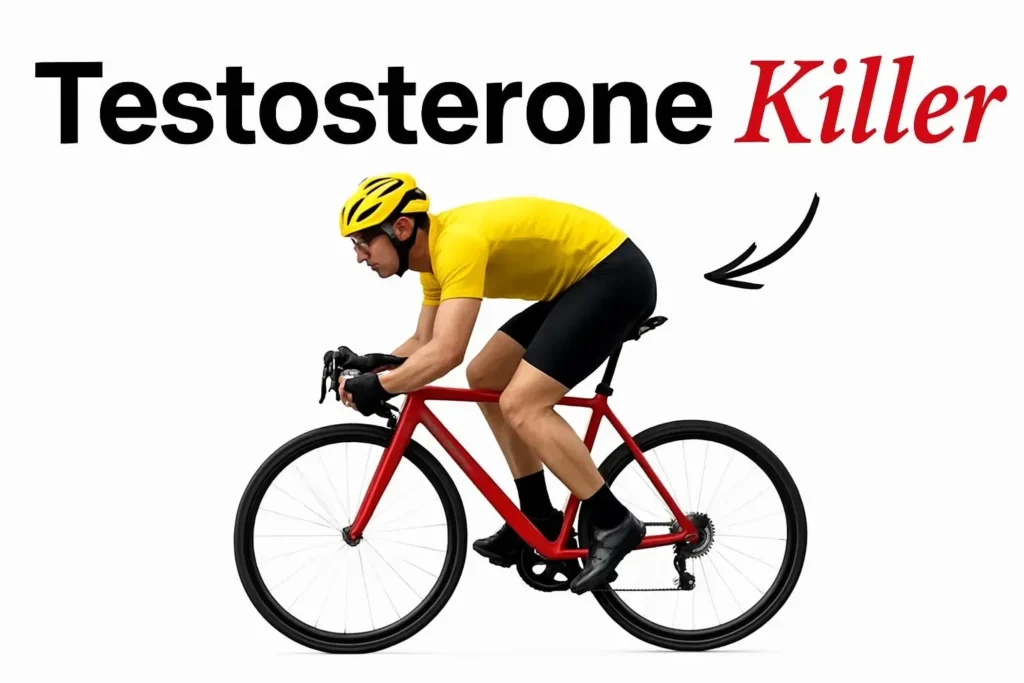
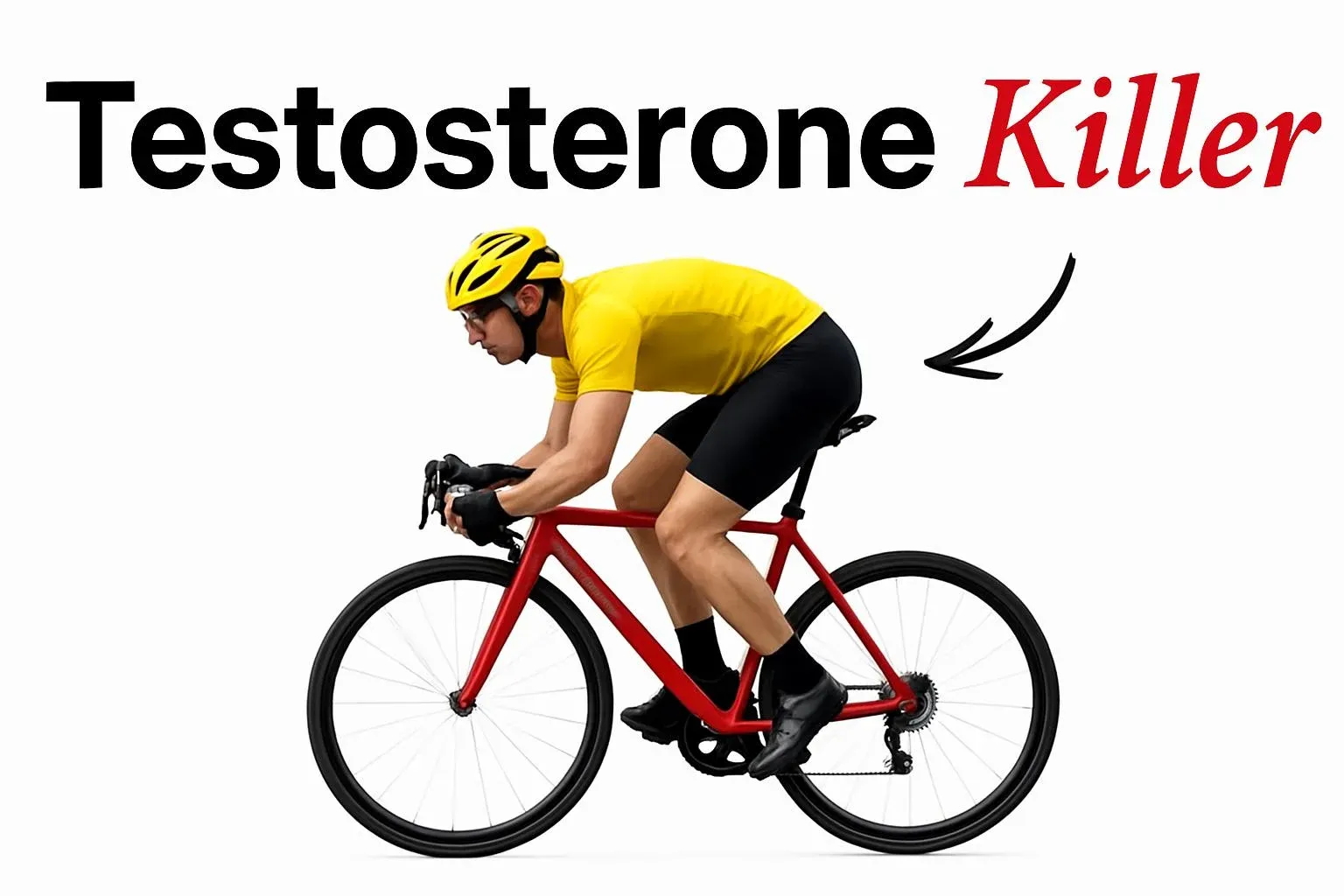
- Excessive cycling (high-volume road cycling)
- Why it can lower testosterone: Very high training volume plus scrotal compression and heat can impair testicular function for some men; prolonged bike seats and long rides can exacerbate this.
- Signs it’s happening: Testicular discomfort, decreased morning erections, or unexplained drops in strength.
- What to do instead: Use a better saddle and bike fit, include off-bike resistance sessions, and avoid consecutive very long rides without recovery.
- Endless steady-state cardio machines (treadmill/rower/elliptical marathons)
- Why it can lower testosterone: Like long runs, long sessions on cardio machines increase stress hormones and deplete energy stores if not balanced with nutrition and rest.
- Signs it’s happening: Reduced muscle mass, sluggishness, and longer recovery times.
- What to do instead: Incorporate sprint intervals or reduce session length and add resistance training to maintain anabolic stimulus.
- High-rep, low-weight "pump" sessions done daily
- Why it can lower testosterone: Constant high metabolic stress without progressive overload or proper recovery can increase cortisol and hinder anabolic signaling.
- Signs it’s happening: You feel pumped but aren’t getting stronger or gaining muscle.
- What to do instead: Focus on heavier, compound lifts 2–4 times per week and use high-rep pump sets sparingly for variety.
- Constant core-only circuits and nonstop ab training
- Why it can lower testosterone: Excessive focus on high-frequency core circuits (especially when combined with overall high training volume) contributes to systemic fatigue and hormonal strain.
- Signs it’s happening: Persistent core soreness, diminished performance elsewhere, hormonal symptoms.
- What to do instead: Make core work supportive and targeted; let compound lifts handle most of the load and use specific ab routines in moderation. If you’re looking for structured core work that burns fat and builds definition, these abs-killer exercises to try are effective when used judiciously.
Practical rules to protect testosterone while training
- Prioritize resistance training: Heavy compound lifts (squats, deadlifts, presses) stimulate anabolic hormones.
- Avoid chronic calorie deficits: Energy availability matters for hormone production.
- Limit excessive endurance volume: Balance steady cardio with recovery and strength work.
- Sleep and stress management: Aim for 7–9 hours nightly and use active recovery, mobility, or meditation.
- Periodize training: Cycle intensity and volume to prevent overtraining and allow hormone systems to reset.
Conclusion
If you suspect your training is harming your testosterone, adjust volume, prioritize recovery, and lean into strength training. For complementary strategies and to understand how certain supplements might fit into a hormone-friendly plan, see this overview on What is creatine? Potential benefits and risks of this popular supplement.