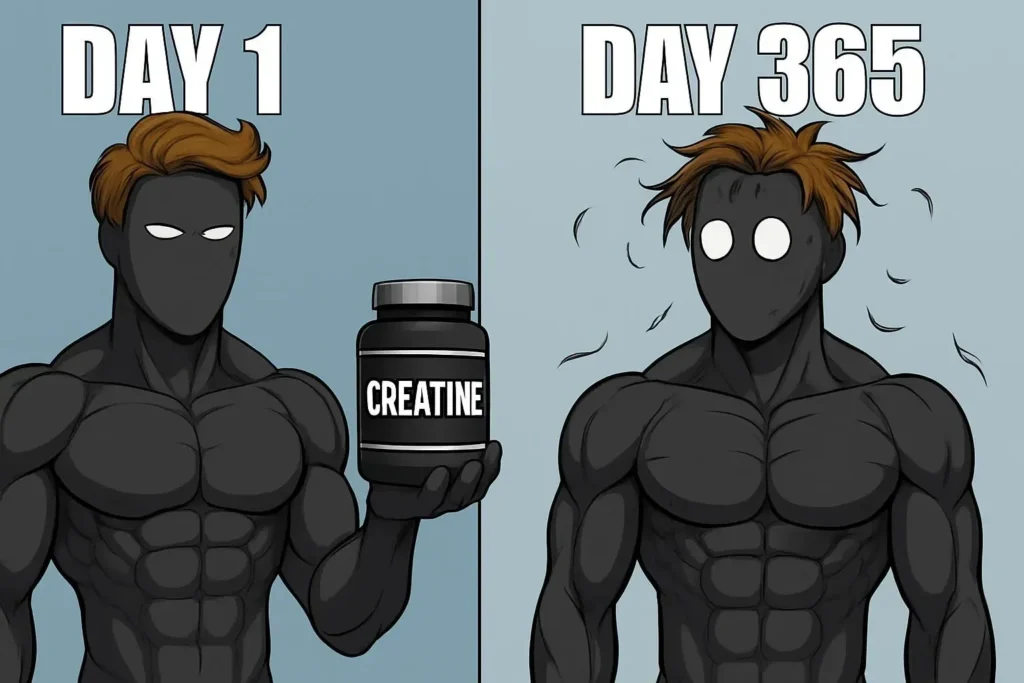
365 Days on Creatine — Year in Gains
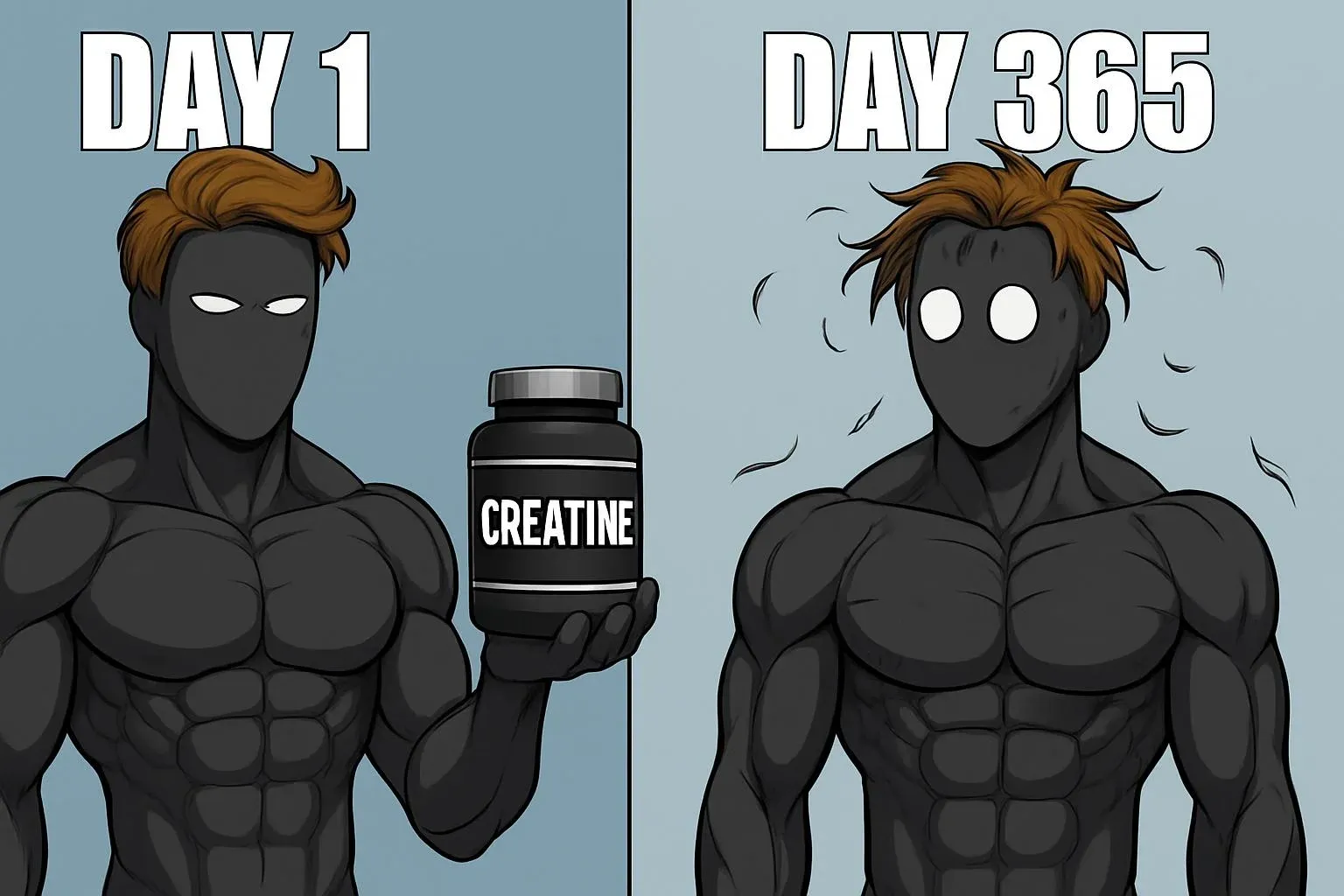
I decided to take creatine every day for 365 days to see what consistent supplementation would do for strength, size, recovery, and how it would feel day-to-day. I treated it like a year-long experiment: same basic training split, roughly the same calorie target, and a simple 5 g daily dose of creatine monohydrate. The mindset was consistent practice — similar to how artists improve by returning to fundamentals again and again, which kept me committed during slow weeks (human figure drawing essential techniques for artists).
What I did (protocol)
- Dose: ~5 g creatine monohydrate daily, with water. No loading phase after month one.
- Training: Hypertrophy + strength mix, 3–5 sessions/week.
- Nutrition: Slight calorie surplus some months, more attention to protein timing and quality.
- Tracking: Monthly photos, lifting numbers for main lifts, bodyweight, and subjective recovery scores.
Month-by-month highlights
- Month 1: Noticeable water retention and fuller muscles. Strength jumps felt fastest here — likely improved ATP availability and neuromuscular adaptations.
- Months 2–3: Strength gains continued but steadied. Bench, squat, and deadlift numbers rose more consistently than my bodyweight did.
- Months 4–6: Visual muscle gains became clearer. Recovery between sessions improved; I could handle slightly higher volume.
- Months 7–12: Gains slowed to a sustainable pace, but overall strength and muscle were still above baseline. No major side effects; energy and training consistency became the main drivers of progress rather than acute supplement effects.
Quantifiable results (my experience)
- Bodyweight: +5–7 lbs over the year (some was water early on, some lean mass later).
- Strength: 8–20% increases on compound lifts depending on the lift and starting level.
- Recovery: Less soreness and quicker return to high-quality sessions in the weeks after intense training.
Side effects and safety
- Early water retention: Most noticeable first 2–6 weeks. Muscles looked fuller but scales rose slightly.
- Digestive issues: A few days of mild stomach upset the first time I tried a concentrated dose; spreading intake with a meal fixed that.
- No kidney pain or alarming symptoms. I did routine blood work midway and at the end of the year — kidney markers remained normal. If you have pre-existing kidney issues, check with your physician before starting.
- Sleep and mood: No consistent negative effects; a handful of days I felt mentally sharper, though that’s anecdotal.
How creatine helped beyond muscle
- Short-burst power and strength: Felt subjectively stronger on heavy sets and sprints.
- Training volume: Ability to add reps or sets more often without breaking down.
- Confidence and consistency: Seeing early wins helped maintain adherence to training and nutrition — habits that produced bigger returns than the supplement alone.
Nutrition and stacking considerations
- Protein matters: Creatine isn’t a substitute for adequate protein; it works best when paired with consistent protein intake and good post-workout nutrition. I prioritized lean, timely protein after workouts to support synthesis and recovery (lean meat beats high-fat meat for faster post-workout muscle protein synthesis).
- Hydration: Drinking more water helped manage the initial bloat and supported training intensity.
- No fancy stacks required: Monohydrate worked fine for me. I didn’t notice meaningful extra benefit from adding other ergogenic supplements beyond protein and caffeine when needed.
Practical tips from a year of use
- Start at 5 g/day; loading isn’t necessary, but you can do it if you want faster saturation.
- Mix with water or put it into a post-workout shake. If you get stomach upset, split the dose.
- Track measurable lifts and photos monthly to see real progress beyond the scale.
- Stay consistent: The biggest gains came from steady use over months, combined with progressive overload in training.
- Check bloodwork annually if you plan to use creatine long-term, especially if you’re older or have health concerns.
What I wish I’d done differently
- More structured deloads to maintain peak performance during heavy months.
- More rigorous dietary tracking early on to separate water weight from lean gains.
- Kept a short daily log of sleep and mood — some subtle cognitive effects might’ve been easier to identify.
Who should consider it
- Strength trainees and those seeking to add measurable power or muscle mass tend to see the best returns.
- Older adults can benefit from preserved muscle and power, but consult a doctor if you have health issues.
- Creatine is one of the most-studied supplements and, for most healthy people, is safe and cost-effective.
Final verdict
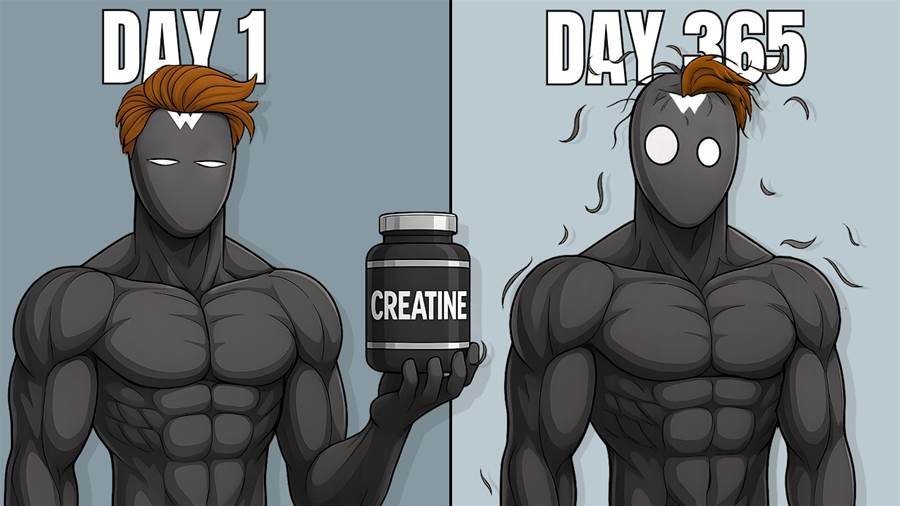
After 365 days, creatine gave me reliable, measurable improvements in strength, a fuller muscle appearance, and better session-to-session recovery. It wasn’t a miracle pill — training consistency, progressive overload, and nutrition were the real engines — but creatine acted like a steady helper that made those engines run a bit better.
Conclusion
If you’re weighing long-term supplementation and lifestyle choices — especially as you age or if you follow a restrictive diet — it helps to learn what to avoid and how to adapt. For readers over 50 or anyone managing dietary constraints, these tips on common pitfalls can be a useful companion to supplement decisions: 7 Mistakes People Over Age 50 Make With The Keto Diet.
If you want a quick starter plan or have questions about dosing and timing for your goals, ask and I’ll share the specifics I used.