Unique title: No-Load Creatine — Simple Daily Strategy
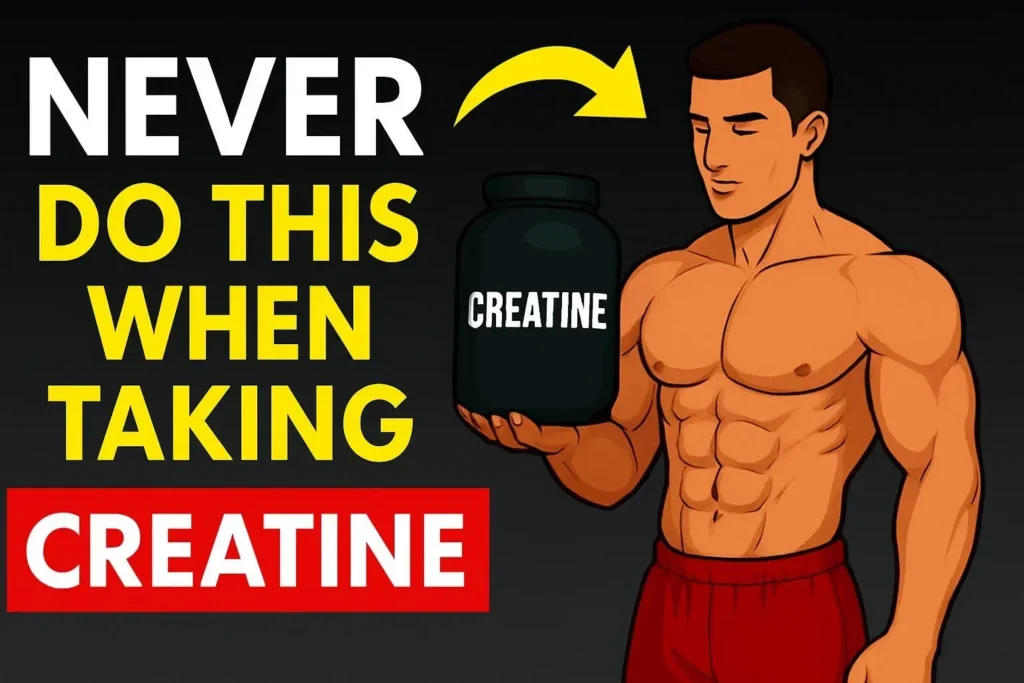
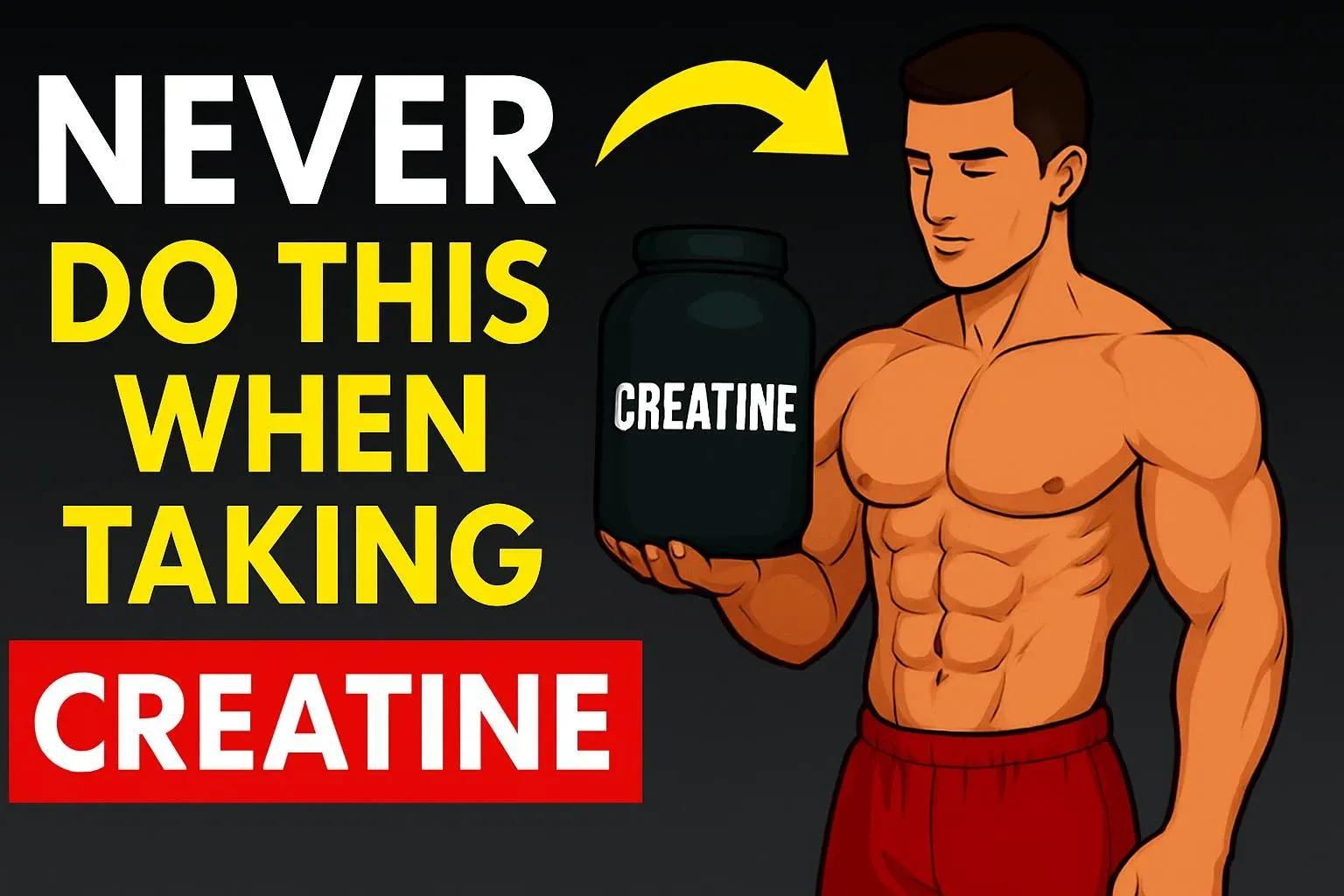
Creatine is one of the most researched and effective supplements for strength, power, and muscle retention. But the traditional 20 g/day loading phase isn’t the only path to full benefits — a steady, no-load approach works too, with fewer side effects and the same long-term gains. If you want to simplify supplementation without sacrificing performance, this guide lays out how to use creatine without a loading phase and still win in the gym and beyond.
Introduction
Creatine increases stored phosphocreatine in muscle, helping you regenerate ATP during short, intense efforts. While many athletes rush into a 5–7 day loading protocol, you can skip that ramp-up and still reach saturation over a few weeks by taking a consistent daily dose. If you’re pairing creatine with training that targets single-leg strength or hypertrophy, this approach integrates smoothly with exercises such as Bulgarian split squat alternatives and other focused movements.
How creatine works (brief)
- Creatine raises intramuscular phosphocreatine, allowing faster ATP resynthesis during repeated sprints, sets, or heavy lifts.
- Saturation is the goal: once muscle creatine stores are full, performance and recovery benefits are maximized.
- Loading speeds saturation (about 5–7 days), but maintenance dosing reaches similar levels in ~3–4 weeks.
Why skip the loading phase?
- Fewer gastrointestinal side effects: high doses (20 g/day) can cause bloating, cramping, or loose stools in some people.
- Simpler regimen: a single daily dose is easier to remember and combine with other supplements or meals.
- Adequate for most athletes: for recreational lifters and many competitors, the long-term outcomes are equivalent once stores are saturated.
No-load dosing strategies
- Standard no-load protocol: 3–5 g of creatine monohydrate daily. Most users take 5 g for convenience and to ensure saturation.
- Time to saturation: expect 3–4 weeks to reach the same muscle creatine concentration achieved by a loading protocol.
- Maintenance: once saturated, continue 3–5 g/day to keep levels high.
Timing and pairing tips
- Timing is flexible: creatine timing (pre vs. post) has minor effects compared with total daily dose. Pick a time that helps you be consistent.
- Pair with carbs/protein: a small carbohydrate or mixed meal can aid uptake slightly, but it’s not mandatory.
- Combine with training: creatine’s benefits compound with progressive overload — prioritize consistent training and recovery.
Practical examples and routines
- Daily habit: mix 5 g creatine into your morning coffee, post-workout shake, or a glass of water. Consistency matters more than exact timing.
- Travel or competition weeks: continue 3–5 g daily to maintain saturation; there’s no need to re-load after short breaks.
- Youth and novice athletes: for younger or lighter athletes, lower doses (2–3 g/day) may be appropriate, but consult a coach or physician for personalized advice.
Common myths and evidence
- Myth: Creatine causes kidney damage. Fact: In healthy individuals, creatine supplementation at recommended doses has not been shown to impair renal function.
- Myth: You must cycle creatine. Fact: Long-term continuous use is supported by research; cycling isn’t necessary for efficacy.
- Myth: Loading is mandatory. Fact: Loading accelerates saturation but isn’t required for benefits.
Integrating creatine into overall training and conditioning
- Combine creatine with structured strength programs and core-focused conditioning to maximize transfer to performance. For focused core development, exercises like the band twist can complement strength gains and functional resilience: band-twist core work.
- Stay hydrated and monitor bodyweight — some users notice a modest increase in water retention during early weeks of supplementation.
Safety and product selection
- Choose Creapure or pure creatine monohydrate powders from reputable brands. Avoid proprietary blends that don’t disclose dosages.
- Typical serving: 3–5 g per scoop. Follow label instructions and confirm no banned substances if you compete.
When to consider loading anyway
- If you need faster benefits for an upcoming competition or testing window (within 1–2 weeks), a short-term loading phase (20 g/day split into 4 doses for 5–7 days) is reasonable. Otherwise, the no-load daily approach is simpler and equally effective in the long run.
Conclusion
If you prefer a low-friction, low-side-effect approach, daily 3–5 g creatine without a prior loading phase is an effective strategy to reach muscle saturation in a few weeks while supporting strength, power, and recovery. For a deeper dive into integrating nutrition and timing strategies with performance plans, see Performance Enhancing Diets and the PRISE Protocol to Optimize ….