
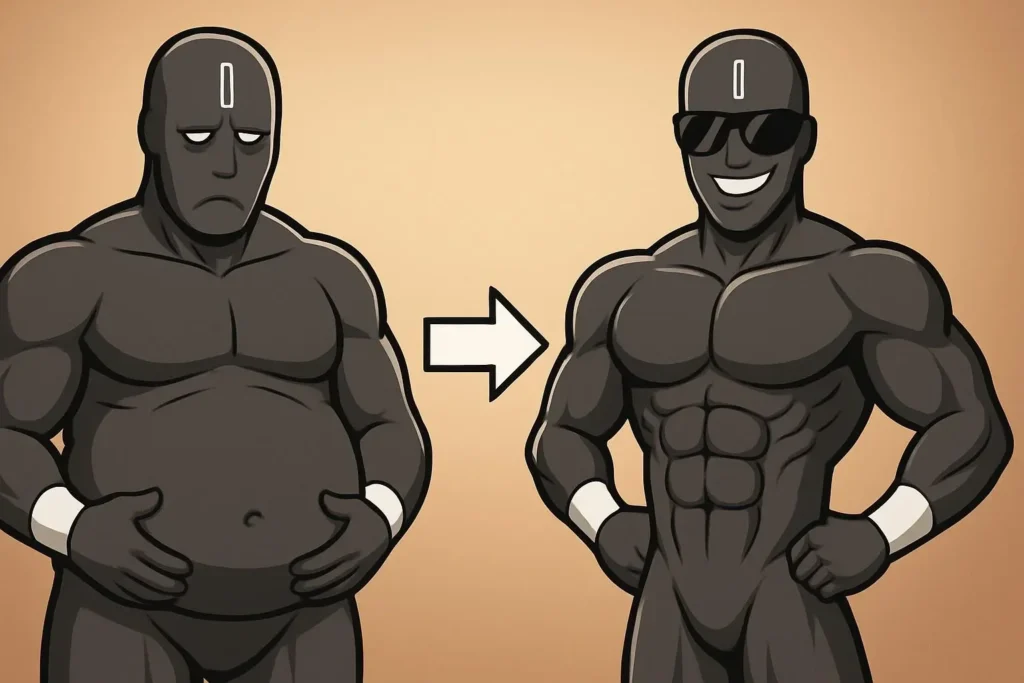
Effortless Natural Belly Trim
Losing belly fat can feel overwhelming, but simple, consistent habits often deliver the best long-term results. Focus on real food, movement you enjoy, and small lifestyle shifts that add up. For a helpful checklist to get started, consider practical simple lifestyle tips that make sticking with changes far easier.
Why belly fat is different
Visceral belly fat (the deep fat around organs) is metabolically active and linked to higher risk of diabetes, heart disease, and inflammation. Genetics, aging, stress, and poor sleep can all shift where your body stores fat. The good news: modest changes in diet, activity, sleep, and stress management can preferentially shrink abdominal fat over time.
Smart, natural strategies that work
Prioritize protein and whole foods: Eating adequate protein helps preserve lean mass and keeps hunger down. Fill your plate with vegetables, whole grains, legumes, and lean proteins while minimizing refined sugars and processed snacks. Small swaps — like fruit instead of sugary desserts — reduce daily calories without a sense of deprivation.
Move with purpose: Cardio helps burn calories, but combining it with strength training yields better results for body composition. Aim for a mix of brisk walking, HIIT sprints or cycling, and at least two sessions per week of resistance work to build or maintain muscle.
Use strength work wisely: Compound, multi-joint moves (squats, deadlifts, presses) stimulate the most muscle and calorie burn. If you’re adding pressing variations into your plan, resources like this close-grip bench press guide can help you lift safely and effectively as part of a balanced routine.
Short, intense intervals: High-intensity interval training (HIIT) can be time-efficient and particularly effective at burning fat while preserving muscle. Even 10–20 minutes of intervals a few times weekly makes a difference.
Prioritize sleep and stress reduction: Poor sleep and chronic stress raise cortisol, which is associated with increased abdominal fat. Aim for 7–9 hours of sleep and use stress-reduction techniques like deep breathing, short walks, or mindfulness.
Hydration and mindful portions: Drinking water before meals and paying attention to hunger cues prevents overeating. Smaller, frequent meals can help some people manage appetite and energy.
Be patient and track progress sensibly: Scale weight can fluctuate; use measurements, how clothes fit, and energy levels as better indicators of progress. Aim for sustainable weight loss of 0.5–1% of body weight per week rather than rapid cuts.
Practical weekly plan (simple)
- 3 days of cardio or HIIT (20–40 minutes)
- 2 days of resistance training focusing on compound lifts
- Daily: protein-focused meals, plenty of vegetables, water, and a sleep goal
- Weekly: one social meal or treat to keep the plan sustainable
Common pitfalls to avoid
- Over-reliance on spot-reduction myths — core exercises alone won’t “melt” belly fat without overall calorie control and activity.
- Crash diets that sacrifice muscle — losing lean mass slows metabolism and undermines long-term results.
- Neglecting recovery — rest and active recovery days let you train harder when it counts.
Staying consistent
Make small, measurable habit goals (e.g., "add one vegetable at lunch" or "walk 20 minutes after dinner") rather than sweeping lifestyle overhauls. Track the wins, adapt when life gets busy, and celebrate non-scale progress like better sleep, improved endurance, or looser-fitting clothes.

Conclusion
Losing belly fat naturally centers on balanced nutrition, strength and interval training, good sleep, and stress management. For a trusted, research-informed list of practical approaches, see 8 Ways to Lose Belly Fat and Live a Healthier Life. Start small, stay consistent, and choose habits you can keep for life.