5 Moves That Could Land You in the Hospital
Exercise is supposed to make you stronger and healthier — but certain moves, when performed poorly or by people with underlying conditions, can cause catastrophic injuries and even require very expensive surgery. Know which exercises carry outsized risk, how to spot danger signs, and safer alternatives before you lift heavy or push through pain. If you want safer core routines to replace risky crunches, check out this guided abs workout for beginner-friendly options and progressions.
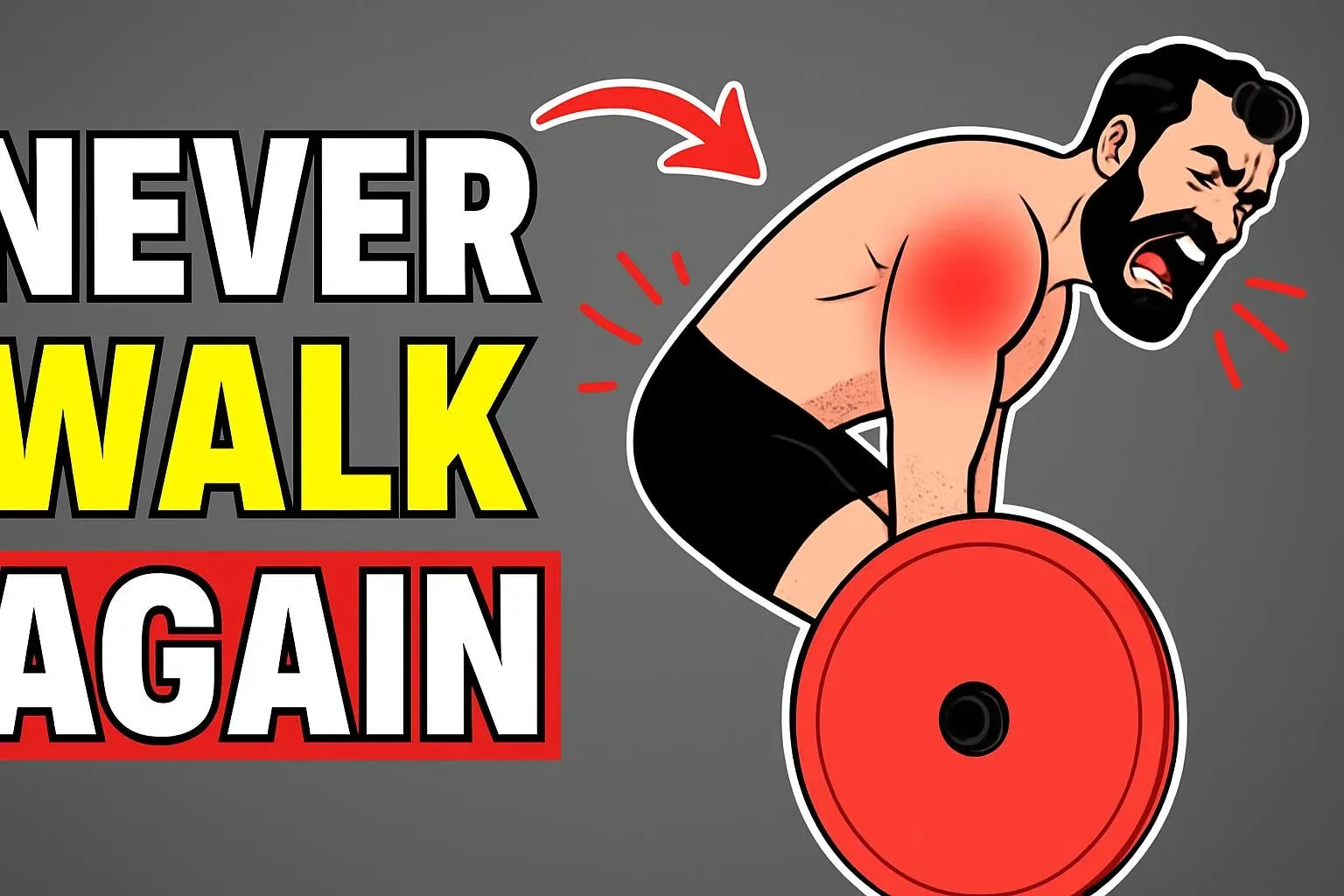
- Behind-the-neck barbell press
- Why it’s risky: Pressing a bar behind the head forces extreme shoulder external rotation and places the cervical spine in a vulnerable position. That combination increases risk of rotator cuff tears, shoulder impingement, and neck strain — especially with heavy loads or poor mobility.
- Watch for: Sharp shoulder pain, catching, numbness down the arm, or sudden loss of overhead strength.
- Safer alternative: Use a military/front press or seated dumbbell press with neutral grip, or follow targeted shoulder work like cable variations for controlled range of motion — see safer options and technique tips at top cable shoulder exercises.
- Upright rows with heavy weight
- Why it’s risky: The high-elbow movement can pinch the rotator cuff tendons and compress the subacromial space. With heavy loads, the risk of tendon tears and chronic impingement rises.
- Watch for: Aching top-of-shoulder pain, popping, or restricted overhead mobility.
- Safer alternative: Swap upright rows for lateral raises, face pulls, or low-load rows that preserve shoulder health and scapular control.
- Kipping pull-ups and aggressive muscle-ups (unprepared athletes)
- Why it’s risky: These dynamic, momentum-driven moves place enormous shear and rotational forces through the shoulders and elbows. Athletes without proper scapular and core stability can suffer labral tears, AC joint injuries, or biceps tendon damage.
- Watch for: Sudden shoulder instability, deep aching pain after training, or decreased pulling strength.
- Safer alternative: Build strict pull-up strength, scapular pull-ups, ring rows, and controlled negatives before adding kipping progressions.
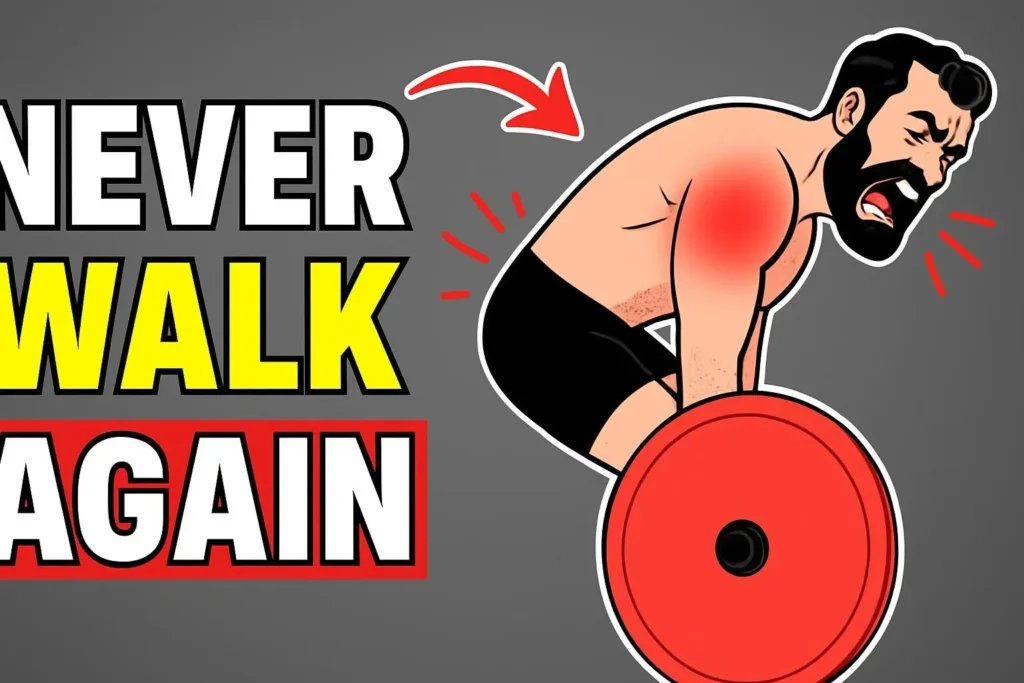
- Heavy deadlifts with a rounded back or poor setup
- Why it’s risky: Allowing spinal flexion under heavy load shifts compressive and shear forces to discs and ligaments. This can precipitate severe lumbar injuries, herniated discs, or nerve compression that may require costly interventions.
- Watch for: Acute low-back pain during the lift, radiating leg pain, or progressive weakness/numbness.
- Safer alternative: Prioritize neutral spine, use lighter loads to perfect hinge mechanics, and incorporate Romanian deadlifts, kettlebell swings, and hinge drills to build posterior-chain resilience.
- Neck-cranking sit-ups, weighted neck bridges, or aggressive crunches
- Why it’s risky: Forcing the neck to lead during core exercises stresses cervical structures and can compress blood vessels or nerves. In people with undiagnosed vascular weakness (rare but serious), intense straining can exacerbate risk.
- Watch for: Neck pain, dizziness, visual changes, unexplained headaches, or numbness into the arms.
- Safer alternative: Train the core with planks, dead bugs, anti-rotation exercises, and controlled progressive loaded carries rather than stressing the cervical spine.
Preventive steps everyone should follow
- Warm up properly and mobilize shoulders, hips, and thoracic spine before heavy lifts.
- Learn and prioritize technique over ego-loading. If form breaks down, reduce weight.
- Progress gradually — don’t rush advanced gymnastics or heavy compound lifts.
- Listen to your body: persistent or sharp pain is a red flag; stop and reassess.
- Get medical clearance if you have cardiovascular risk factors, connective tissue disorders, or a history of vascular disease.
When to see a clinician immediately
- Sudden severe chest, back, or abdominal pain, fainting, abrupt neurological changes, or loss of limb function after a lift warrant urgent evaluation. These could signal vascular events, spinal cord compromise, or other surgical emergencies.
Conclusion
If you experience worrying symptoms after heavy exertion or have risk factors that could affect your blood vessels, learn the key facts about how an aortic problem can present and when to seek help by reading Five Things You Need to Know About Aortic Aneurysm. Better safe technique, gradual progression, and prompt medical attention when symptoms arise will keep workouts productive — and out of the hospital.