the symptoms of rest:
Many of us push through fatigue, soreness, and low motivation thinking we’re just having an off day. But when several warning signs cluster together, your body is telling you it needs recovery. Small changes in how you rest, eat, and move can rapidly reverse the trend. Nutrition plays a role in recovery — for practical ideas on boosting recovery-friendly meals, check out this guide to increasing protein at every meal and snack: 10 Easy Ways to Increase Your Protein Intake With Every Meal and Snack.
Common signs you need to rest
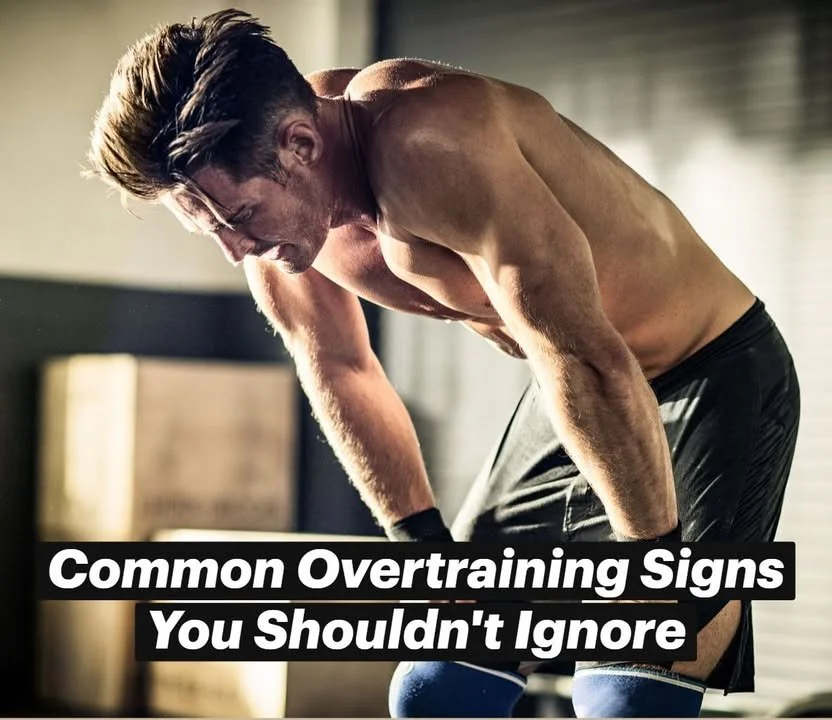
If you have two or more of the following symptoms, intentionally stepping back for a few days is wise.
- Persistent, heavy fatigue — not relieved by a single night’s sleep. You feel drained throughout the day.
- Trouble sleeping or insomnia — sleep becomes fragmented or you lie awake worrying.
- Loss of motivation or decreased enjoyment in activities you normally like.
- Persistent muscle soreness or joint pain lasting longer than usual after workouts.
- Drop in performance — workouts feel harder, times are slower, or you can’t lift what you usually do.
- Elevated resting heart rate or palpitations — a sign your nervous system is stressed.
- Brain fog, poor concentration, or memory lapses.
- Frequent minor illnesses, like colds, or slow healing of cuts and scrapes.
- Appetite changes or unexpected weight loss/gain.
- Mood swings, increased irritability, or low mood.
Why symptoms cluster
These signs are connected. Chronic stress (from work, poor sleep, hard training, or life events) taxes the nervous and immune systems and disrupts hormonal balance. Rather than treating each symptom separately, it helps to see them as parts of a systemic overload that will usually improve with coordinated rest and lifestyle adjustments.
How to back off effectively
- Prioritize sleep: Aim for consistent bed and wake times, create a wind-down routine, and remove screens at least 30–60 minutes before bed. Short naps (20–30 minutes) can help without disrupting nighttime sleep.
- Scale down training: Replace intense sessions with low-impact activities like walking, gentle cycling, or mobility work. Use active recovery days instead of hard efforts. If you want ideas for low-impact core work or altered movement patterns, this tutorial on building core strength can help: Band Twist: How to Build Core Strength.
- Manage stress: Add brief daily practices — 5–10 minutes of breathing exercises, mindfulness, or light stretching. Even a short walk outdoors reduces cortisol and resets focus.
- Eat for recovery: Prioritize protein, colorful fruits and vegetables for micronutrients, and steady carbohydrate intake around activity to support repair and glycogen replenishment. Hydration and limiting alcohol help too.
- Reduce stimulants: Cut back on caffeine late in the day and avoid energy drinks that can mask fatigue and disrupt sleep.
- Plan purposeful rest: Schedule 2–7 days of lower load depending on severity. For athletes, 1–3 complete rest days followed by a week of lower-intensity training often restores balance.
When symptoms are red flags
Most tiredness improves with rest and basic self-care. Seek medical evaluation if you experience:
- Unexplained lumps (particularly in the neck, underarm, or groin), persistent fever, drenching night sweats, or unintentional weight loss.
- Shortness of breath, chest pain, fainting spells, or rapidly worsening symptoms.
These could indicate conditions beyond overtraining or stress and warrant timely assessment by a healthcare professional.
Practical mini-plan for a 5–7 day reset
Day 1–2: Prioritize rest and sleep. Stop intense exercise. Focus on hydration and protein-rich meals.
Day 3–4: Add gentle movement: short walks, mobility work, light strength with high reps and low load.
Day 5–7: Reintroduce moderate training if symptoms have eased; keep intensity low and monitor heart rate and perceived exertion.
If symptoms persist or worsen at any point, contact your healthcare provider.
Final tips
Listen to your baseline: what’s “normal” for you in energy, sleep, and mood. Track a few markers (sleep hours, resting heart rate, subjective fatigue) for a week to spot trends. Recovery isn’t weakness; it’s an investment that prevents injury, illness, and burnout.
Conclusion
If you have persistent lumps, night sweats, or other unexplained symptoms alongside fatigue, it’s important to learn more and seek medical advice. For reliable information on symptoms that may require evaluation, review this resource on Non-Hodgkin Lymphoma: Symptoms, Types & Treatment.