
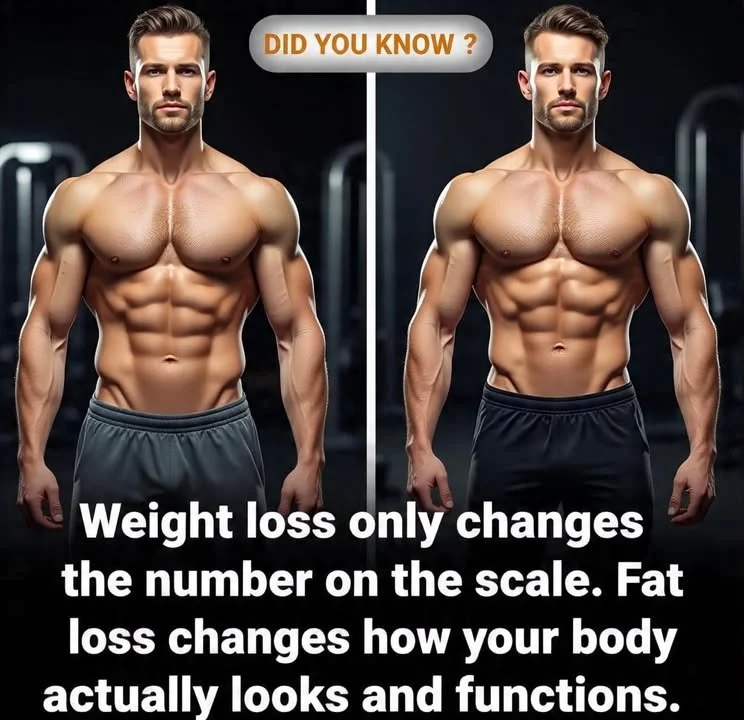
Weight Loss vs. Fat Loss: Why the Distinction Matters
Introduction
When people talk about “losing weight” they often mean the same thing as “losing fat,” but those two outcomes are not identical. Weight is the number on the scale; fat is a component of that weight that has specific health implications. Understanding the difference helps you build a plan that preserves muscle, improves health markers, and produces the look and function you want. For real-world inspiration on how goals translate to results, see this story about Kelly Clarkson’s weight loss success and the strategies she used.
What is weight loss?
- Weight loss = any reduction in total body mass. That can include water, glycogen (carb stores), muscle, bone mass, and fat.
- Rapid drops on the scale are often water and glycogen loss, not sustainable fat loss.
- Because the scale doesn’t tell you composition, relying solely on it can mislead effort and expectations.
What is fat loss?
- Fat loss specifically refers to reducing adipose tissue (body fat). Losing fat improves metabolic health, lowers disease risk, and changes body shape more noticeably than losing water or muscle.
- Measuring fat loss: better methods include body-fat percentage, waist circumference, clothing fit, and progress photos rather than daily weigh-ins.
Why fat loss is usually the goal (but weight loss dominates conversation)
- People want lower body-fat for aesthetics, mobility, and health. But weight is easy to measure and often used as a shorthand.
- Focusing only on the scale can lead to unsafe practices (extreme calorie restriction, dehydration, loss of muscle) that degrade performance and long-term outcomes.
How to prioritize fat loss while minimizing muscle loss
- Create a modest calorie deficit
- Aim for a realistic, sustainable deficit (generally 10–20% below maintenance or ~250–500 kcal/day for many people). Too large a deficit increases muscle loss and metabolic slowdown.
- Maintain adequate protein
- Protein supports muscle repair and preservation. A common recommendation is 1.6–2.2 g/kg of body weight per day for those in a deficit.
- Lift weights or do resistance training
- Resistance training signals the body to keep muscle. Combining it with a protein-forward diet preserves strength and shape. If you need structured exercise ideas, consider a set of full-body routines like these full-body workout routines to burn fat faster.
- Include some cardio strategically
- Cardio helps create an energy deficit and improve cardiovascular health. Balance intensity and frequency so it doesn’t interfere with recovery from resistance training.
- Track progress using meaningful metrics
- Use body composition measures, strength gains, energy levels, and how clothes fit. Weekly or biweekly tracking avoids overreacting to daily fluctuations.
- Prioritize sleep and manage stress
- Poor sleep and chronic stress can raise hunger and reduce recovery, making it harder to lose fat and preserve muscle.
Common pitfalls and how to avoid them
- Chasing the scale: Expect weight to fluctuate; focus on trends and body composition.
- Too fast, too soon: Extreme diets can cause muscle loss, nutrient deficiencies, and metabolic slowdown.
- Neglecting strength training: Skipping resistance work increases the risk of losing muscle mass during a calorie deficit.
- Ignoring protein: Low protein intake while dieting accelerates muscle loss.
Practical timeline and realistic expectations
- Safe fat loss typically ranges from 0.25–1% of body weight per week depending on starting point and strategy. Beginners and those with higher starting body fat can often lose faster initially.
- Expect plateaus; adjust calories, training, or recovery rather than resorting to extreme measures.
Everyday examples (short)
- If you lose 3 lbs in two days after cutting carbs, much of that is likely water/glycogen rather than fat.
- If you lose 0.5–1.5 lbs per week while maintaining strength and protein intake, a greater portion of that is likely fat.
Psychological and lifestyle considerations
- Focus on habits that are sustainable: enjoyable movement, satisfying meals, and social support.
- Celebrate non-scale victories — better sleep, improved mood, more energy, and easier movement.
Conclusion
Understanding the difference between scale changes and actual fat loss is key to lasting progress. For a clear, expert-friendly breakdown of how to tell those differences and practical tips on measuring progress, read this guide: Weight Loss vs. Fat Loss: How to Tell the Difference.