Title: High-Protein Vegetables: Powering Meals Without Meat
Introduction
Vegetables aren’t just side-dish fillers — many provide meaningful amounts of protein that can help you meet daily needs, especially when combined intelligently with other foods. For people cutting back on animal products, athletes seeking variety, or anyone aiming to eat more plant-forward, learning which vegetables pack the most protein and how to prepare them matters. You can even incorporate them into blended meals; for example, try some of these high-protein smoothie recipes that include spinach, peas, or other veggie boosters.
Why Protein from Vegetables Matters
Protein from vegetables contributes essential amino acids, fiber, vitamins, and minerals while typically being lower in saturated fat than animal proteins. While most single vegetables don’t match animal proteins gram-for-gram, several stand out (legume-related vegetables, leafy greens concentrated into portions, and certain cruciferous veggies). Combining vegetable proteins with grains, nuts, or dairy can create complete protein profiles that support muscle repair, hormonal balance, and satiety.
Top High-Protein Vegetables (What to Look For)
- Edamame: Young soybeans are one of the richest vegetable sources of protein, with roughly 11 grams per 100 g cooked.
- Lentils and peas (when counted as vegetables in dishes): Split peas and green peas are higher-protein vegetable options commonly used in soups and stews.
- Spinach and kale: Per weight these are protein-dense, though servings are often large and cooking concentrates nutrients.
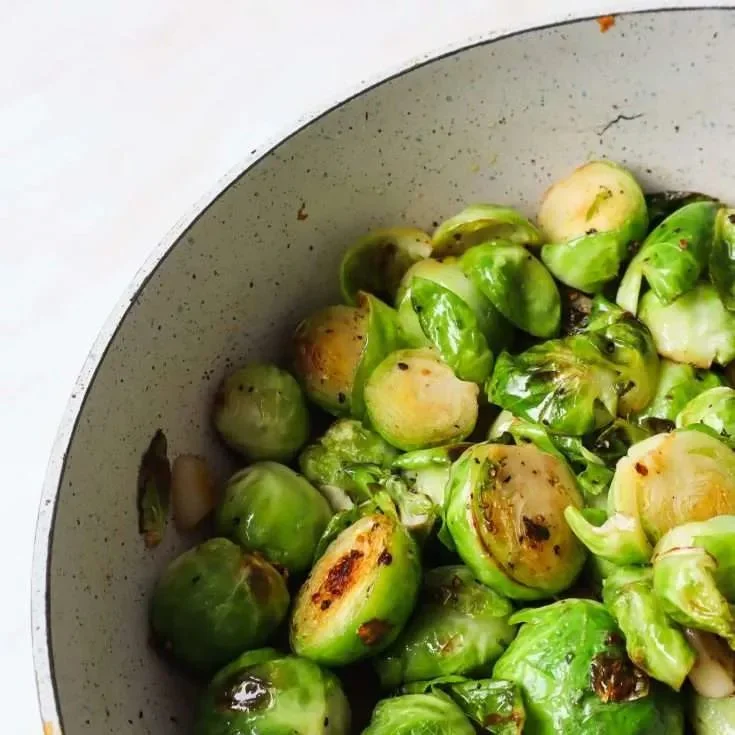
- Broccoli and Brussels sprouts: Cruciferous vegetables that provide respectable protein plus fiber and phytochemicals.
- Asparagus and artichokes: Underappreciated sources that add texture and protein to plates.
- Corn and potatoes: Higher-carb vegetables with measurable protein that pair well with other protein sources.
Serving size matters: comparing protein per cup versus per 100 grams can change the picture, so think in realistic portions you’d actually eat.
Cooking and Preparation: Make the Most of Veggie Protein
How you cook vegetables affects digestibility, flavor, and how filling a serving will be. Roasting, steaming, and quick sautéing preserve nutrients while enhancing taste. For bold, smoky flavors and concentrated texture, consider grilling — vegetables like portobello mushrooms, asparagus, and bell peppers become hearty, protein-supporting mains when charred over heat. For practical guidance on turning plant-based proteins into satisfying grill options, check out tips for grilling vegetables and other high-protein foods.
Tips to Boost Protein Intake from Vegetables
- Combine foods: Pair legumes or higher-protein veggies with whole grains, nuts, or seeds to create complete meals (e.g., lentil salad with quinoa).
- Add concentrated sources: Toss edamame, tempeh, or tofu into salads and stir-fries for a protein bump.
- Use powdered boosters: Pea protein or spinach powder can increase protein content in soups, sauces, and smoothies.
- Prepare larger portions: Cooked greens shrink; starting with generous raw amounts ensures more protein per serving.
- Snack smart: Roasted chickpeas, edamame pods, and hummus with raw crudités are portable, protein-forward snacks.
Sample Meal Ideas
- Breakfast: Scrambled eggs or tofu with sautéed spinach and mushrooms; add a slice of whole-grain toast.
- Lunch: Roasted vegetable bowl with quinoa, roasted Brussels sprouts, chickpeas, and tahini dressing.
- Dinner: Grilled portobello steaks with a lentil side salad and steamed broccoli.
- Snacks: Greek yogurt with a spoonful of hemp seeds and chopped blanched almonds, or edamame sprinkled with sea salt.
How Much Protein Can You Get?
Aiming for a balanced plate with a portion of a higher-protein vegetable plus legumes, grains, or dairy can yield 15–30 grams of protein per meal for most people. Athletes may need more; adjust portions and include concentrated plant proteins (tofu, tempeh, seitan) as needed.
Practical Considerations
- Cost and accessibility: Frozen vegetables like peas and edamame can be budget-friendly and maintain high protein retention.
- Taste and texture: If you’re transitioning from meat, use umami-rich cooking methods (roasting, grilling, caramelizing) and seasonings to make vegetables more satisfying.
- Nutrient balance: Vegetables provide more than protein — pay attention to iron, B12, calcium, and omega-3 intake with appropriate dietary choices or supplementation if needed.
Conclusion
If you want a concise list and suggestions for how to eat more of the highest-protein vegetables, this guide on Vegetables High in Protein: 19 Veggies and How to Eat More offers practical, research-backed ideas to expand your plant-based protein options.