
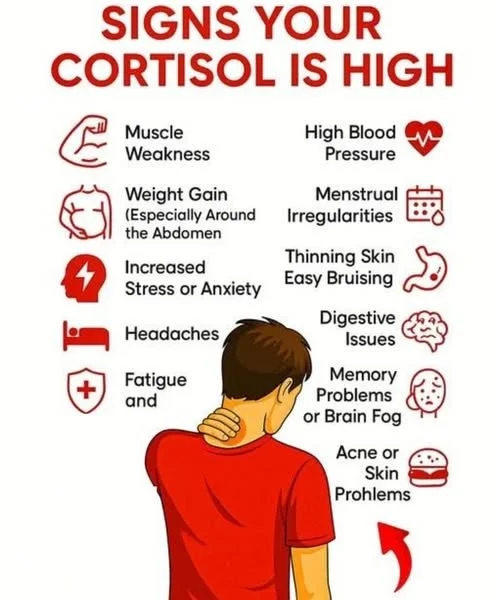
Cortisol, often referred to as the “stress hormone,” plays a critical role in various bodily functions, including metabolism and immune response. However, when cortisol levels remain elevated for extended periods, it can lead to serious health issues. Here are ten signs that may indicate your cortisol levels are excessively high.
1. Weight Gain, Especially Around the Abdomen
One of the most common signs of high cortisol levels is unexplained weight gain, particularly in the abdominal area. Cortisol promotes fat storage, and when it’s consistently elevated, it can lead to an increase in visceral fat.
2. Increased Fatigue
If you constantly feel tired, even after a full night’s sleep, high cortisol levels could be to blame. Chronic stress can disrupt your sleep cycle and lead to fatigue, making it harder to stay energized throughout the day.
3. Mood Swings and Irritability
Elevated cortisol can significantly impact your mood. You may experience heightened anxiety, irritability, or sudden mood swings. These emotional changes are linked to how cortisol influences neurotransmitter functions in the brain.
4. Difficulty Concentrating
Many people with high cortisol levels report difficulty concentrating or maintaining focus. This cognitive decline can affect your productivity and overall mental clarity, causing frustration and diminishing performance at work or school.
5. Sleep Disturbances
High levels of cortisol can interfere with the body’s natural sleep cycle. You may find it challenging to fall asleep, stay asleep, or wake up feeling unrefreshed. This can create a vicious cycle of fatigue and heightened stress.
6. Increased Blood Pressure
Cortisol influences various bodily systems, including cardiovascular function. Chronic stress elevates cortisol levels, leading to increased blood pressure and a greater risk of developing heart disease over time.
7. Digestive Issues
High cortisol levels can disrupt the digestive system, leading to symptoms such as bloating, indigestion, and irregular bowel movements. Stress can also contribute to conditions like Irritable Bowel Syndrome (IBS).
8. Decreased Libido
If you’ve noticed a drop in your sex drive, it could be linked to increased cortisol levels. Elevated cortisol can interfere with hormonal balance and reduce testosterone levels, leading to diminished sexual desire.
9. Frequent Illness
Cortisol is essential for regulating the immune system, but long-term elevated levels can hinder its function. This dampened immune response can leave you more susceptible to infections and illnesses.
10. Skin Changes
High cortisol levels can result in various skin issues, including acne, eczema, or other inflammatory skin conditions. Additionally, prolonged stress can lead to premature aging signs like acne scars and wrinkles.
Conclusion
Recognizing the signs of high cortisol levels is the first step toward managing your stress effectively. If you identify with several of these symptoms, consider consulting a healthcare professional for further evaluation and guidance. Addressing the root causes of stress and implementing healthy coping strategies can be instrumental in restoring balance to your body’s hormone levels.
By paying close attention to these indicators, you can take proactive steps toward a healthier, more balanced lifestyle. Remember, your well-being is paramount: don’t hesitate to seek help if you need it!